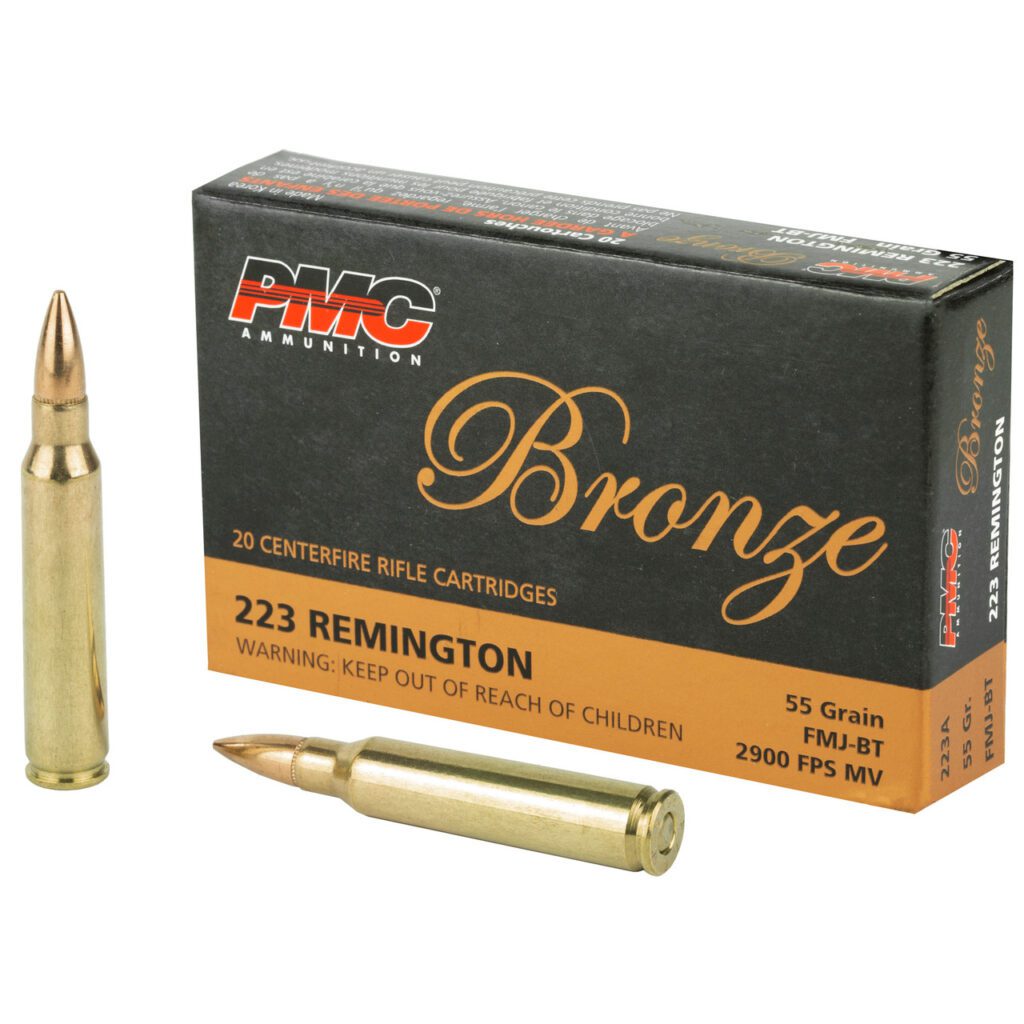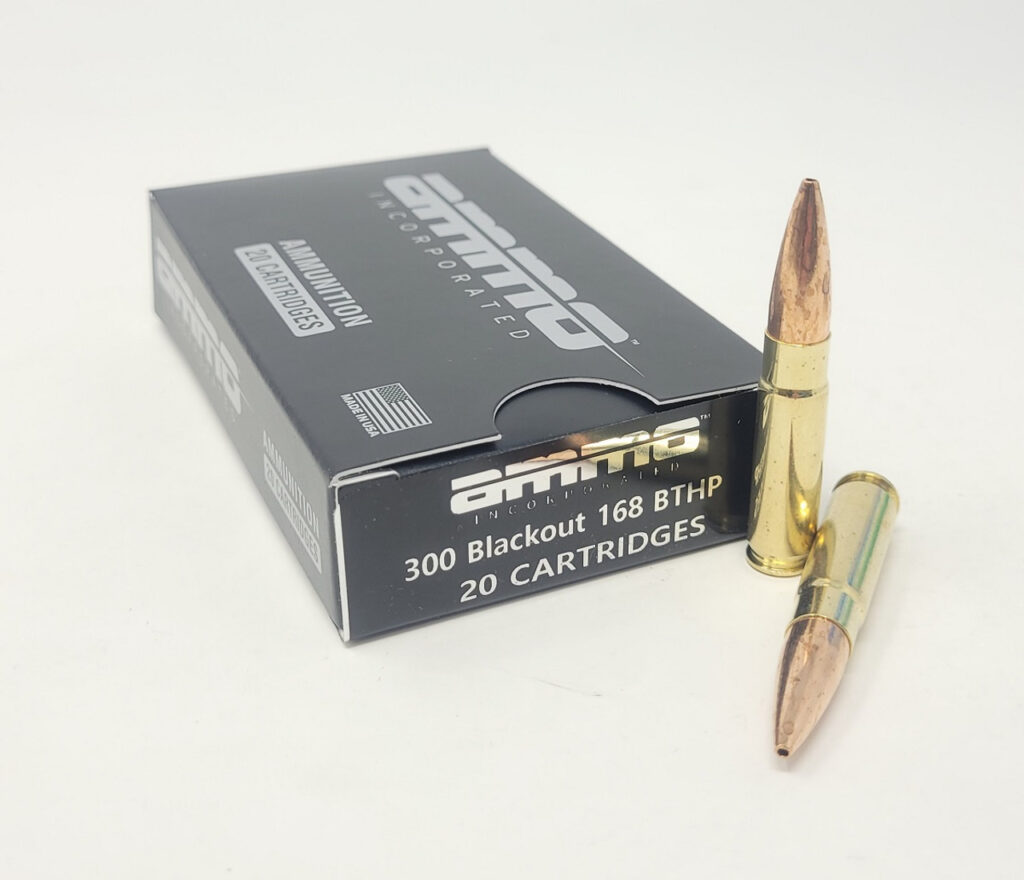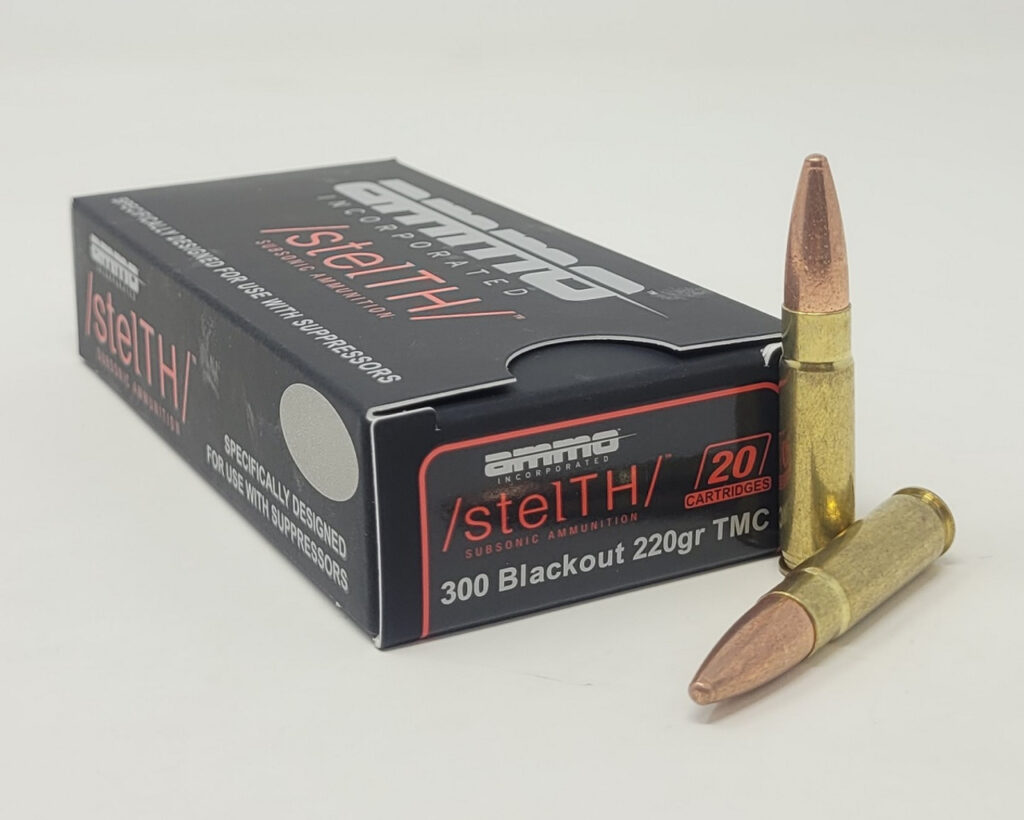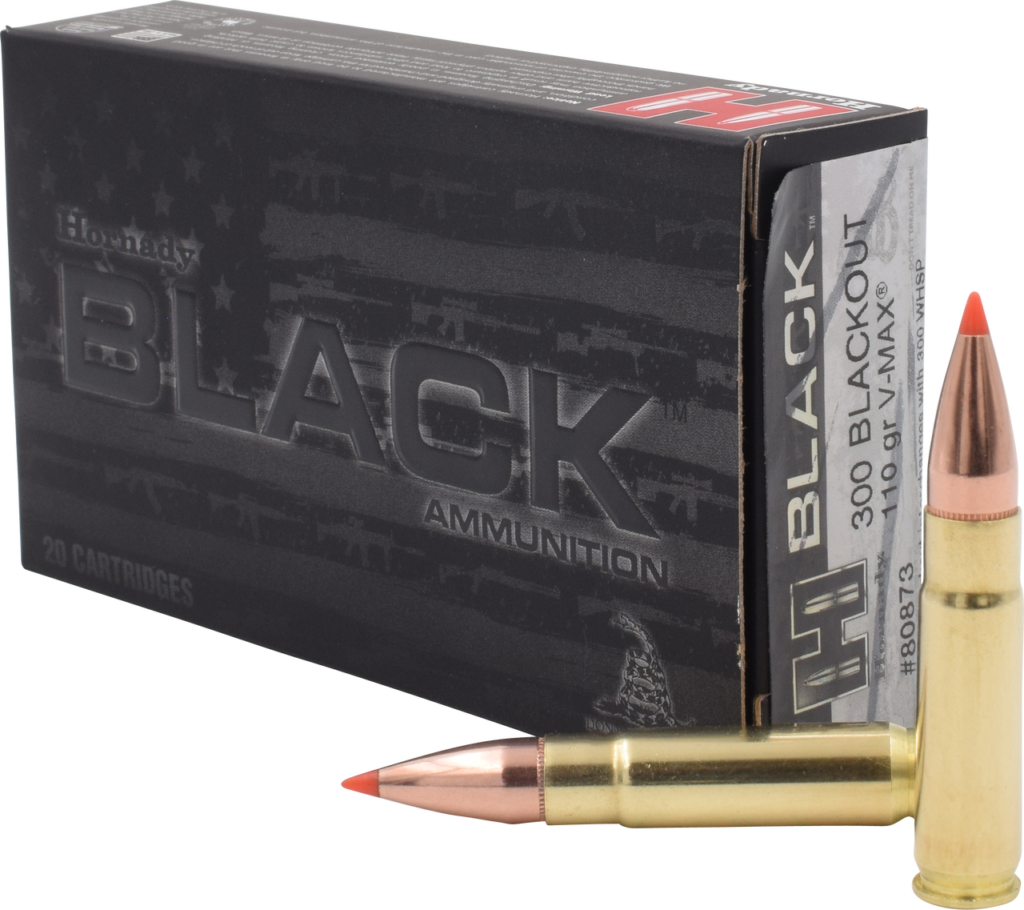

Where To Buy Ammo Online?
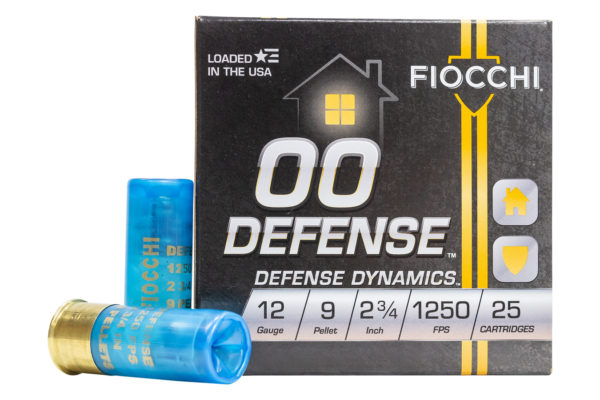
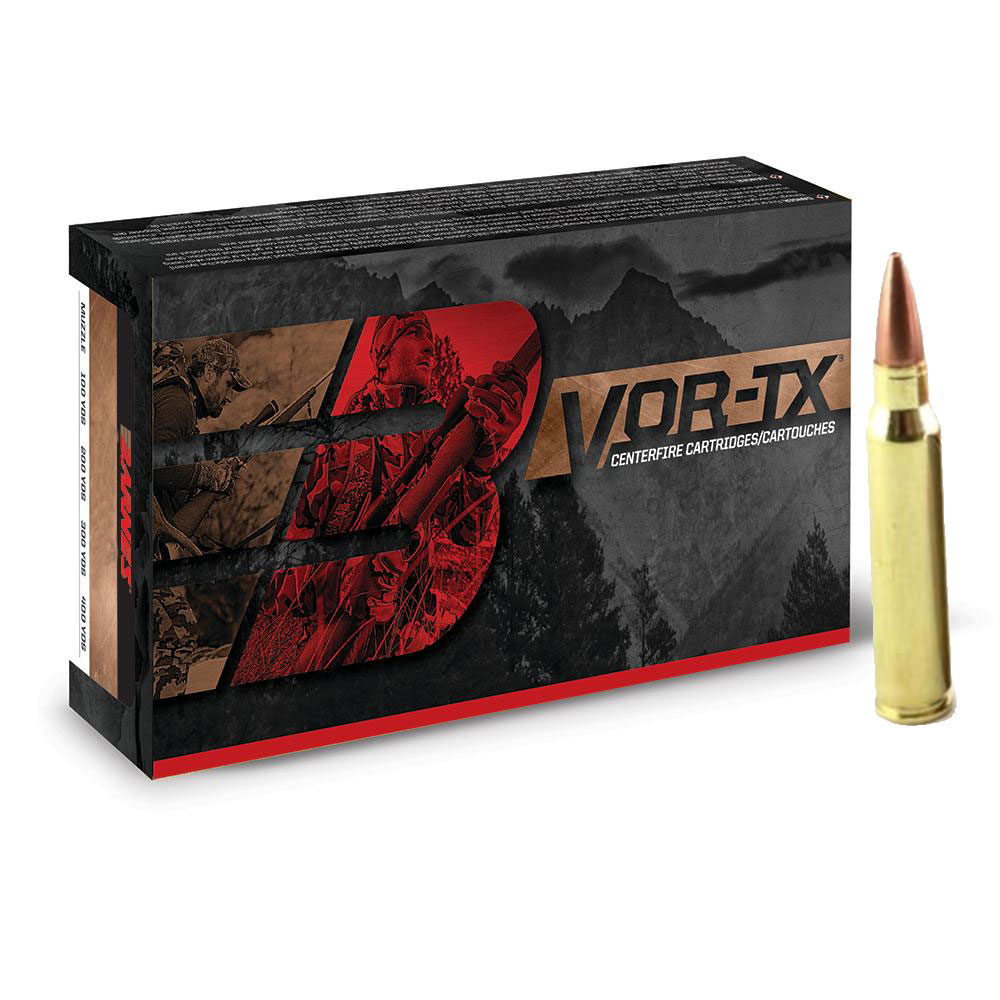
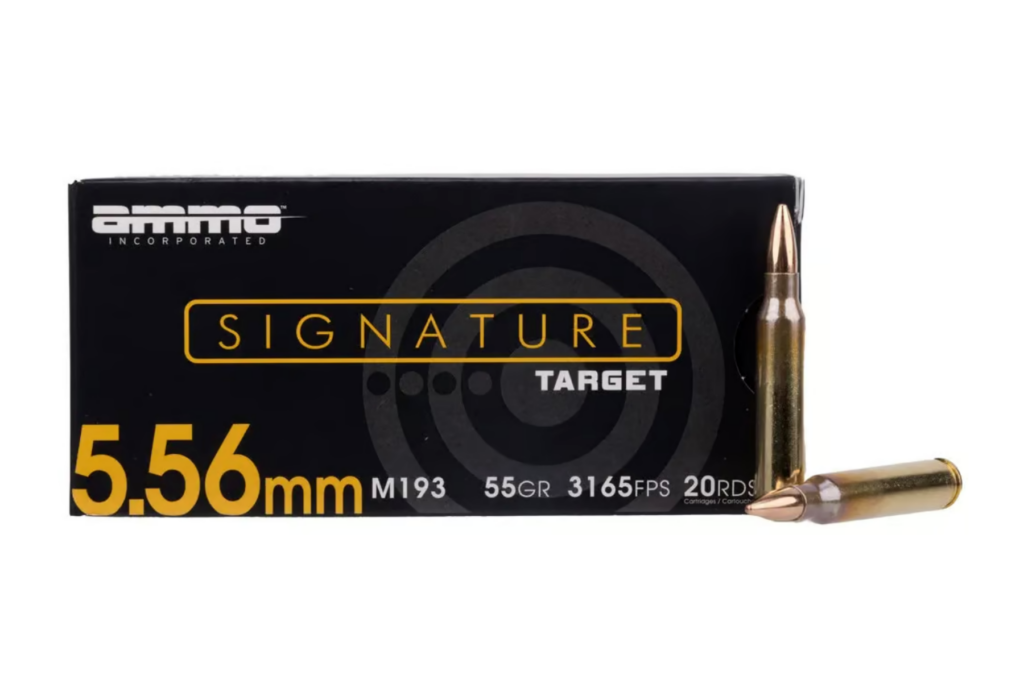
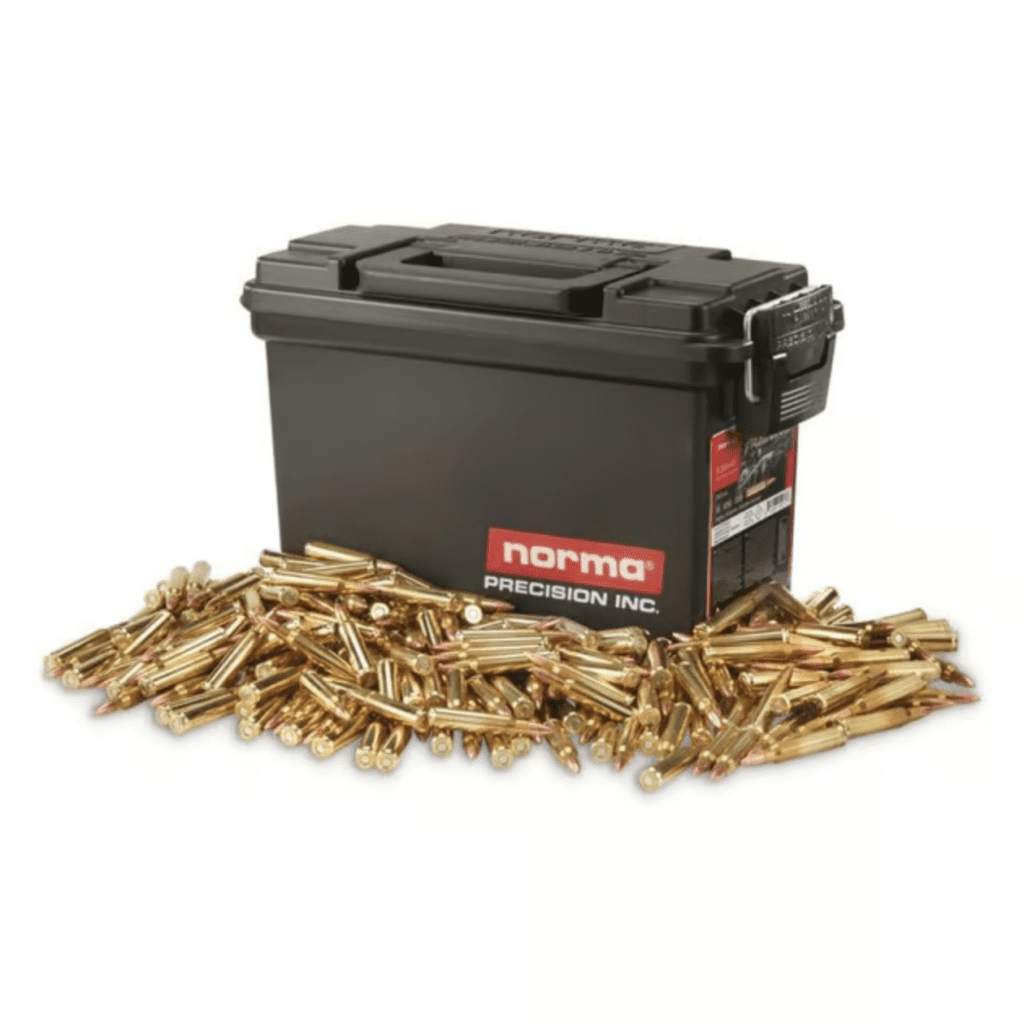
Ace of Spades Armory as their go-to source for buying ammo online. In this article, we will discuss the most common ammo calibers on the market and why Ace of Spades Armory stands out as the top choice to buy ammo online.


Ace of Spades Armory as their go-to source for buying ammo online. In this article, we will discuss the most common ammo calibers on the market and why Ace of Spades Armory stands out as the top choice to buy ammo online.
$299.99
Original price was: $24.99.$16.99Current price is: $16.99.
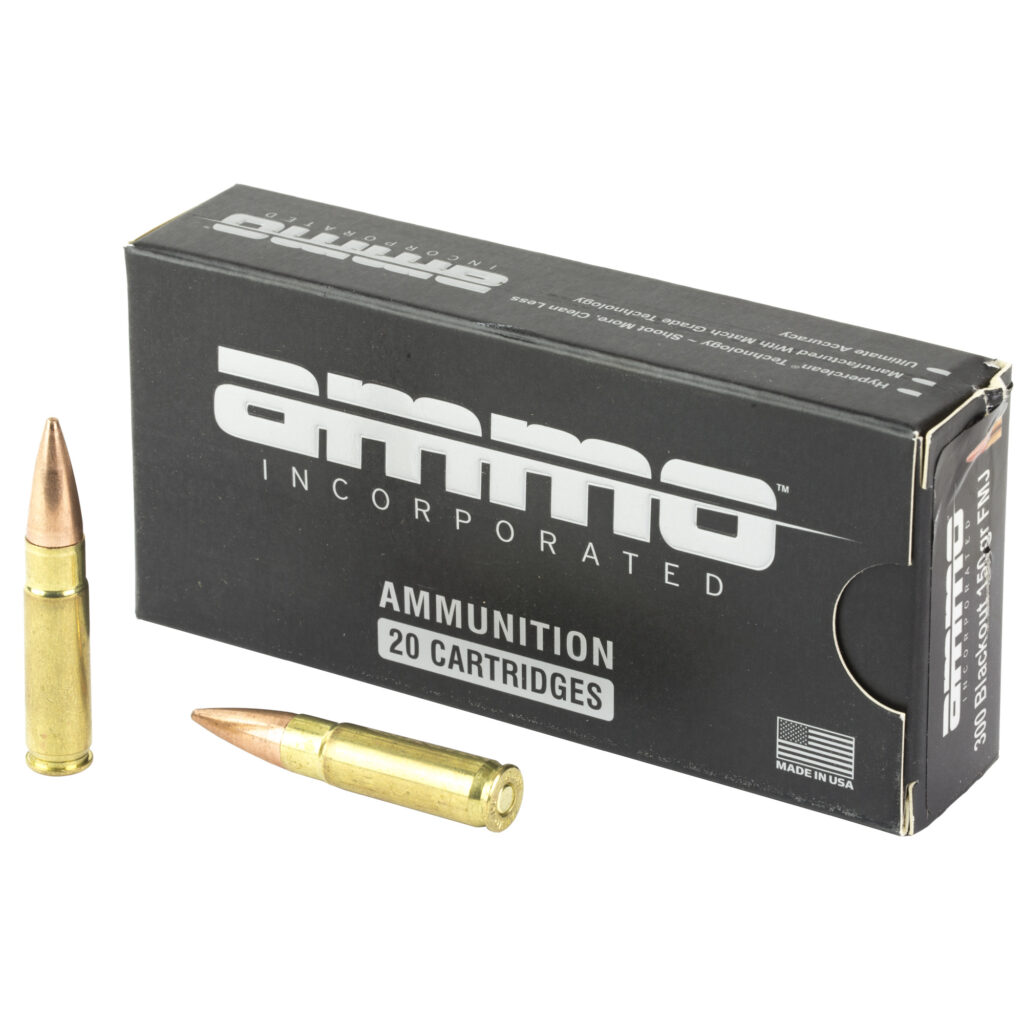
Original price was: $37.99.$32.99Current price is: $32.99.
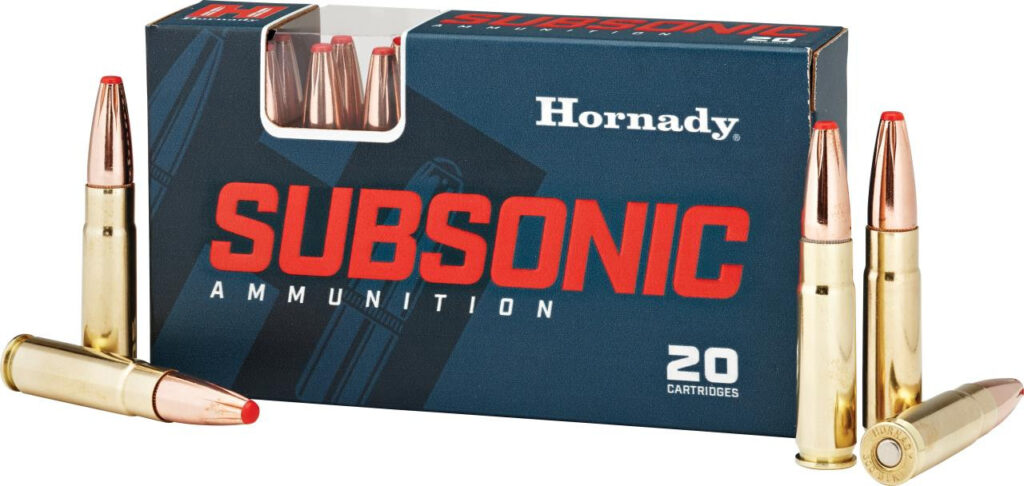
Original price was: $269.99.$249.99Current price is: $249.99.

Original price was: $22.99.$18.99Current price is: $18.99.

Original price was: $19.49.$13.99Current price is: $13.99.
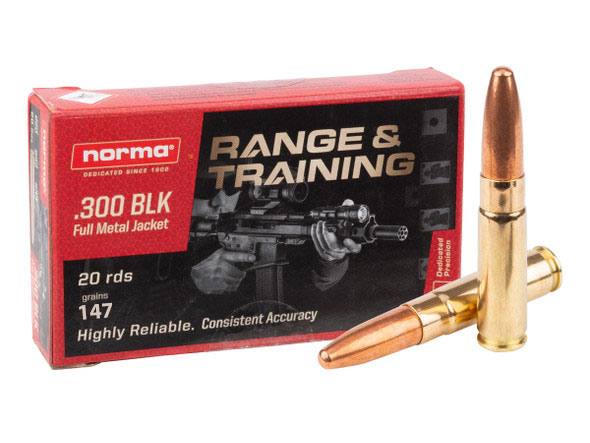
Original price was: $224.99.$189.99Current price is: $189.99.
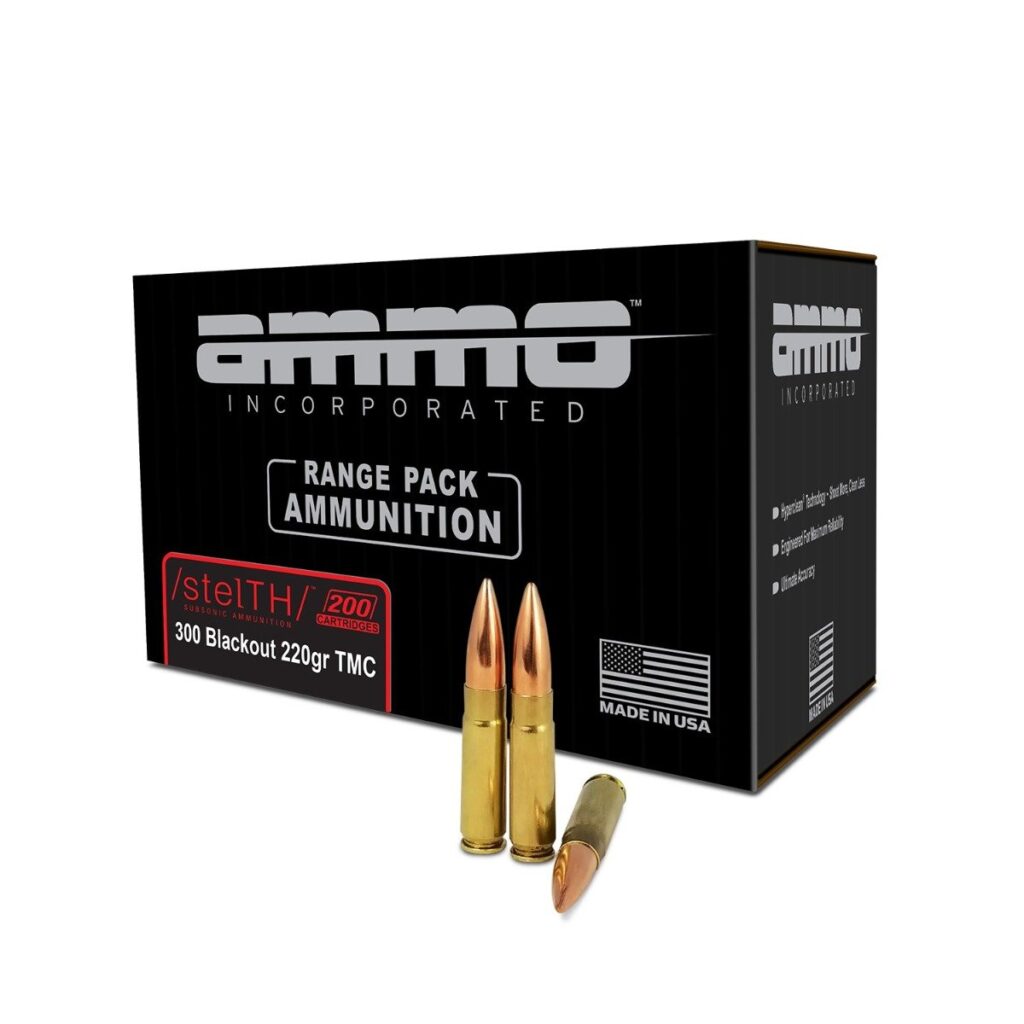
Original price was: $34.95.$29.99Current price is: $29.99.

$89.99
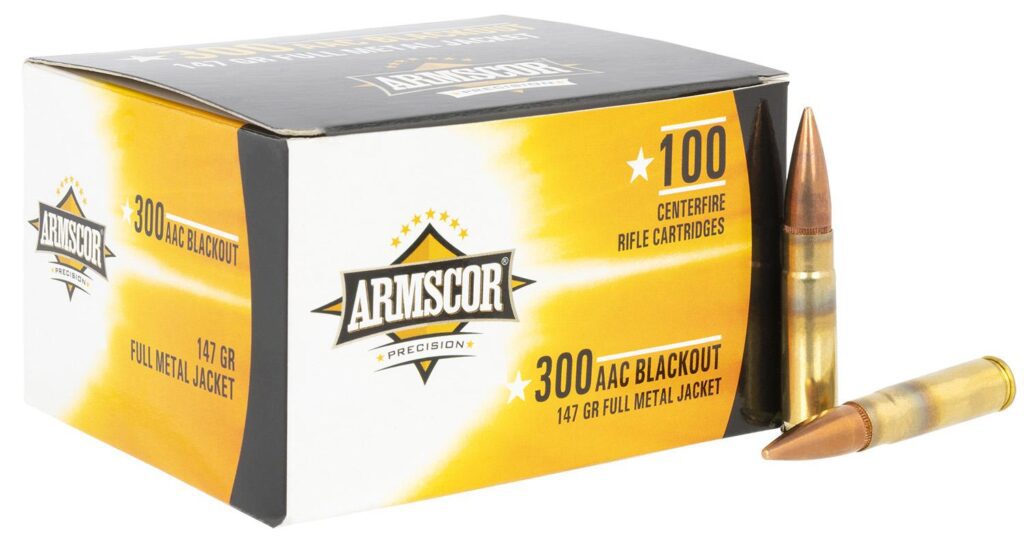
Original price was: $199.99.$149.99Current price is: $149.99.
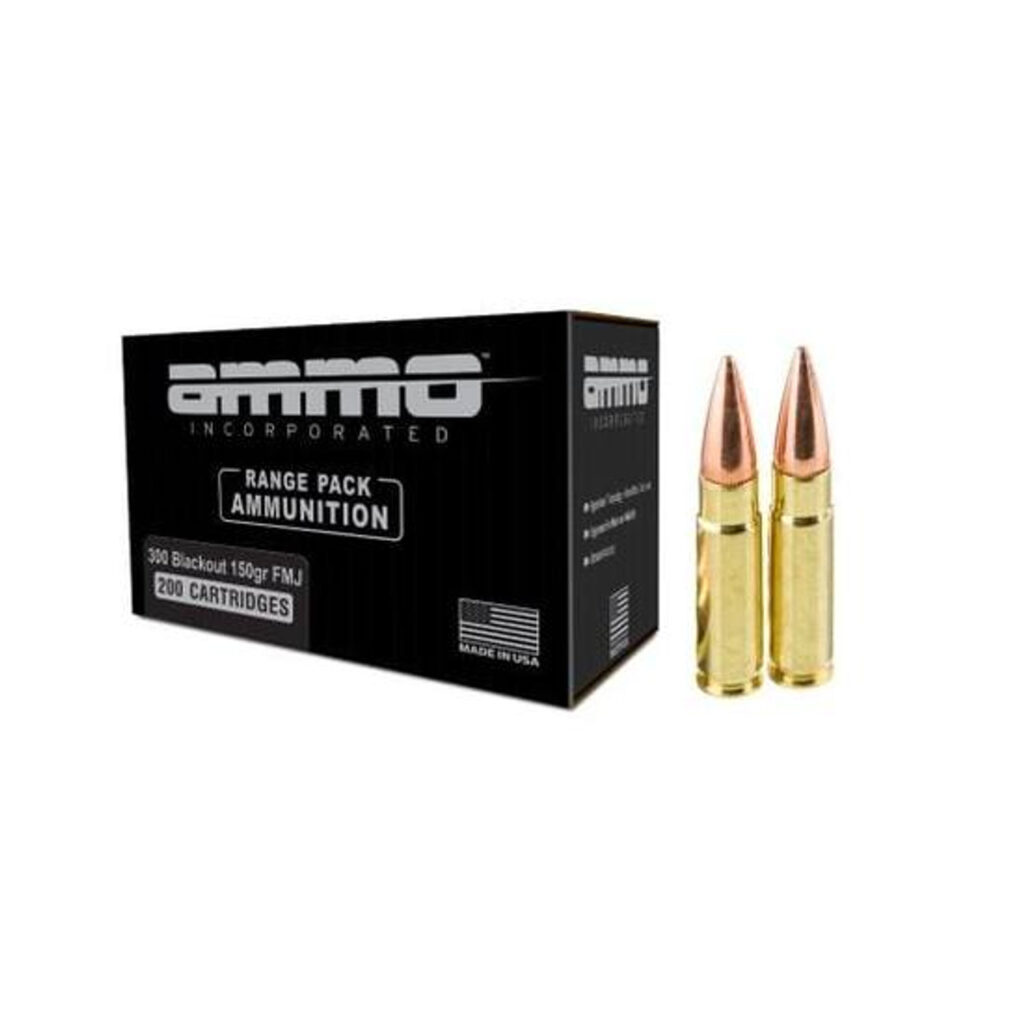
Original price was: $22.99.$17.99Current price is: $17.99.

Buying a firearm online has never been more popular, but the process requires working with a licensed Federal Firearms Licensee (FFL) for the transfer. Choosing the right FFL dealer near you is critical for a smooth, legal, and cost-effective experience. This comprehensive guide provides concrete criteria for selecting trustworthy FFLs, current transfer timelines, typical fees, red flags, and essential state-specific regulations so you can purchase firearms and ammunition with confidence.
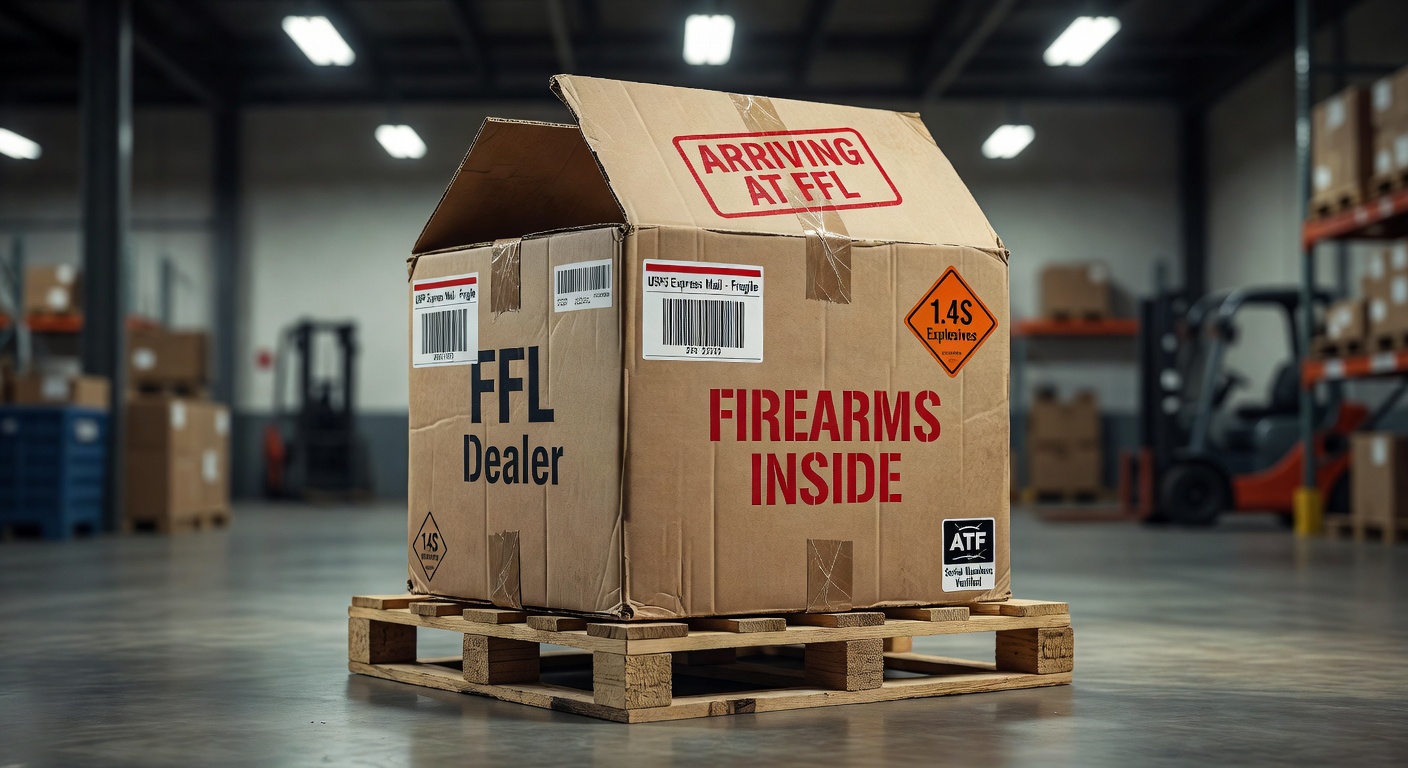
A Federal Firearms Licensee (FFL) is a business or individual licensed by the Bureau of Alcohol, Tobacco, Firearms and Explosives (ATF) to sell firearms and ammunition. When you purchase a firearm from an online retailer, federal law requires the firearm to be shipped to an FFL dealer near you for the final transfer.

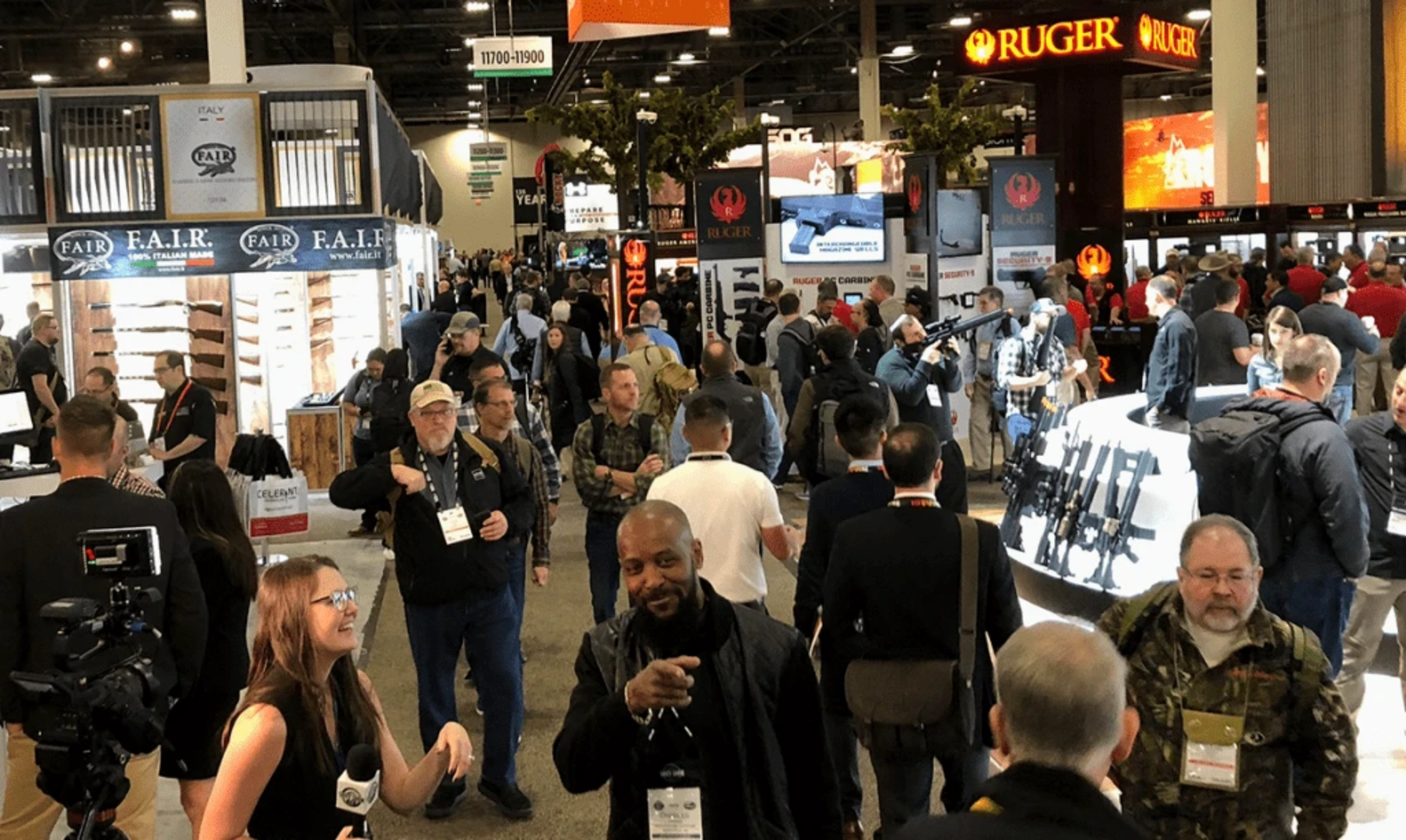
Image Grid 1


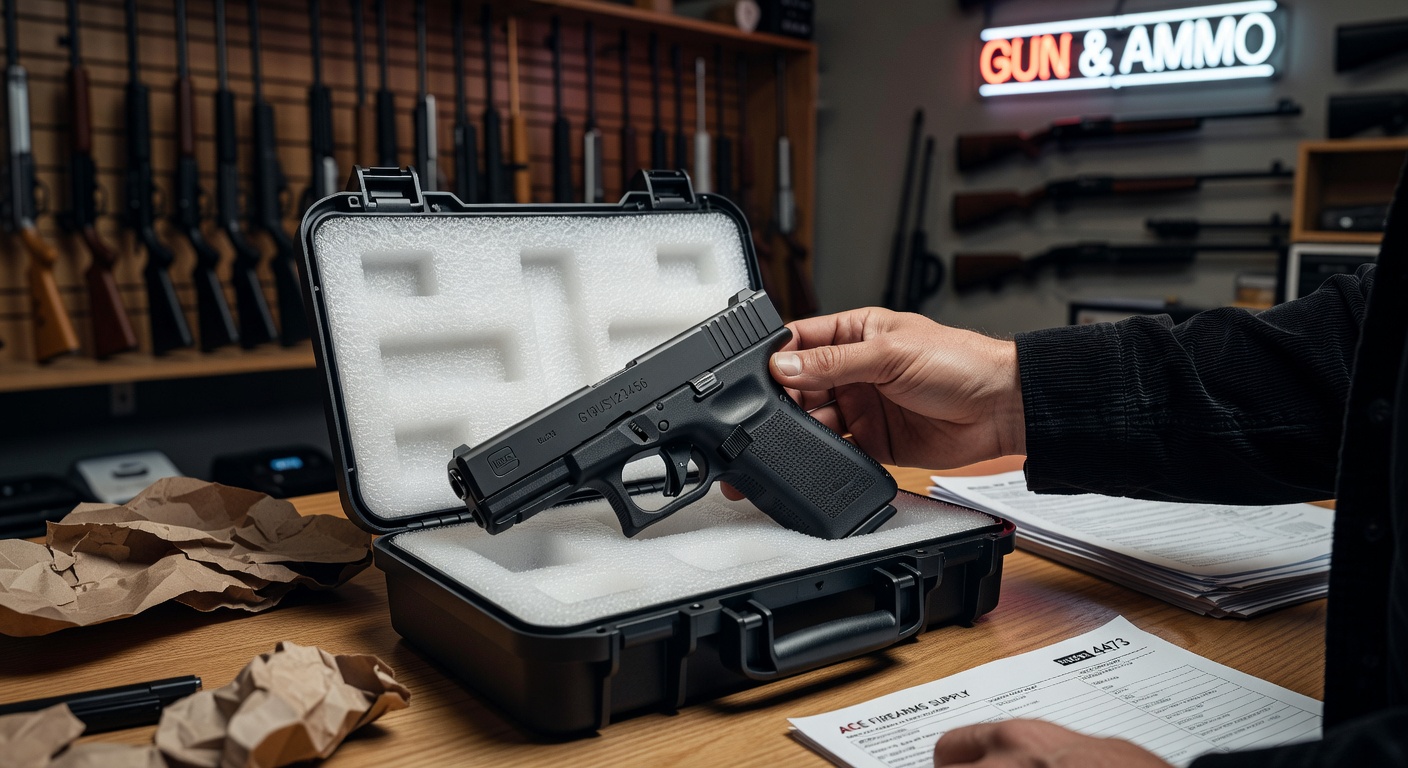


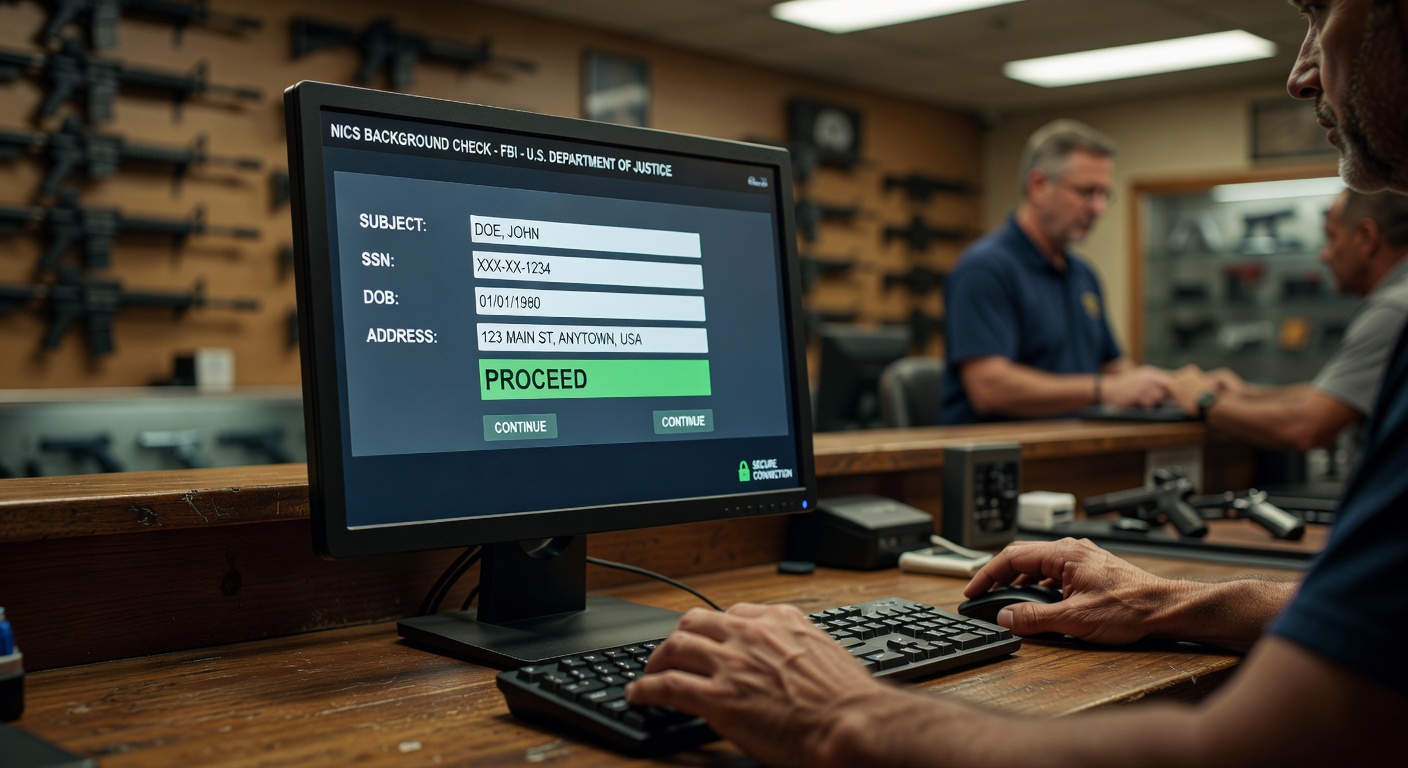
The FFL verifies your identity, conducts the required National Instant Criminal Background Check System (NICS) check, and ensures compliance with both federal and state laws. Without this step, the purchase cannot be completed legally.
Not all FFLs are created equal. Here are the key criteria you should evaluate before selecting an FFL dealer:
Transfer times vary significantly by dealer and state. As of 2025, here are typical ranges:
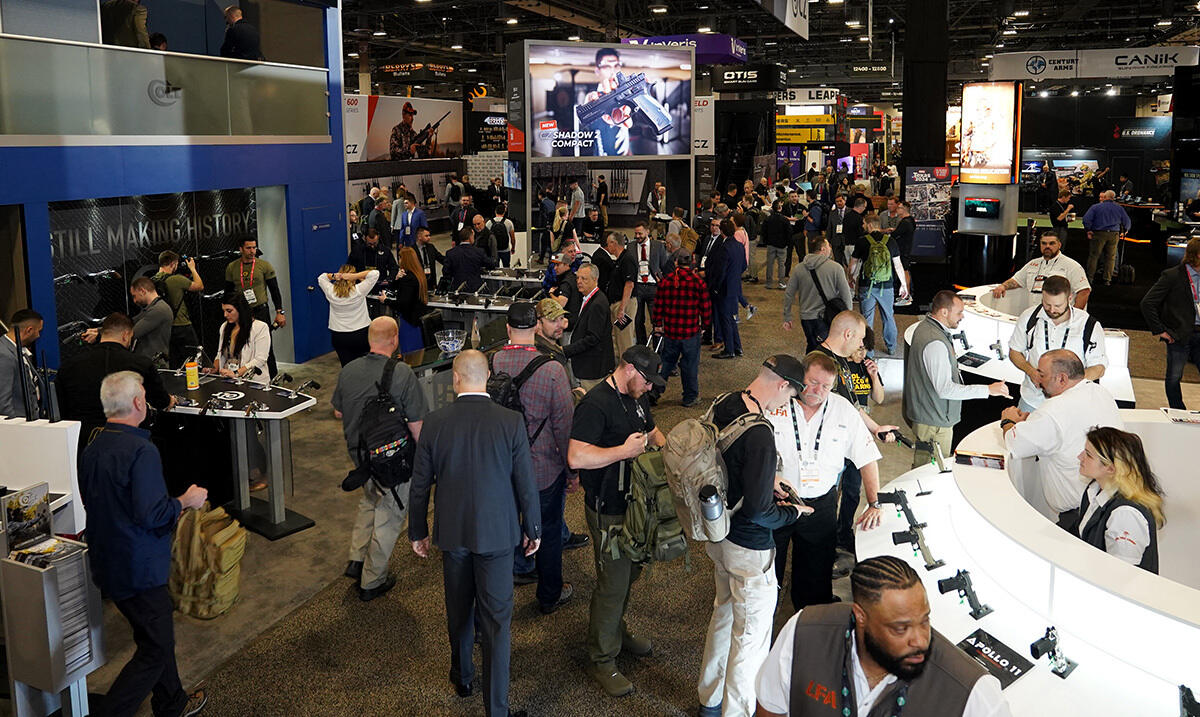
Image Grid 2





Average Transfer Fees:
While federal law provides the baseline, each state adds its own requirements. Here’s what you need to know:
California has some of the strictest gun laws. All firearms must be transferred through a California FFL. Buyers must possess a valid Firearm Safety Certificate (FSC) or Handgun Safety Certificate. There is a 10-day waiting period for all firearm purchases. Ammunition purchases also require identification and background check through the Armed Prohibited Persons System (APPS).
New York requires a valid state-issued handgun license for handguns. Some counties require permits for long guns as well. The SAFE Act imposes additional restrictions. Expect longer processing times due to extensive paperwork. Many FFLs require appointments weeks in advance.
Texas maintains relatively permissive firearm laws. No state permit is required to purchase rifles or shotguns. A Texas License to Carry (LTC) can speed up the NICS process. Most FFL transfers are completed within 3–7 days. Ammunition purchases have no special restrictions for adults 21 and over.
Florida is a shall-issue constitutional carry state. No permit is required to purchase rifles or shotguns. Handgun purchases require a 3-day waiting period unless the buyer possesses a valid Concealed Weapon License (CWL). Most FFL dealers complete transfers within 1–5 business days.
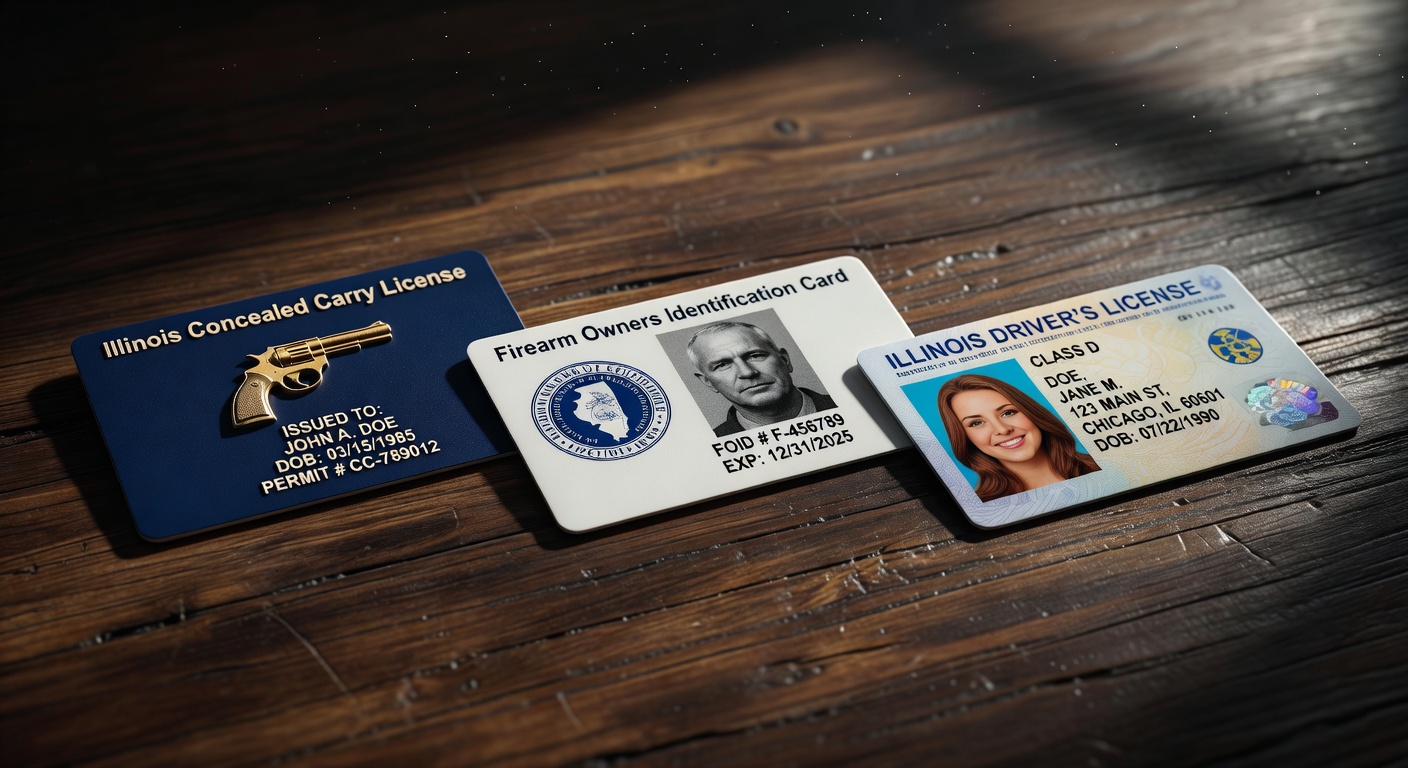
Illinois requires a Firearm Owner’s Identification (FOID) card for all firearm and ammunition purchases. The FOID must be presented at the time of transfer. Chicago and certain other cities have additional restrictions. Expect a longer transfer process due to state requirements.
Many online ammunition retailers also require shipment to an FFL, although this is not a federal requirement in every state. Some states (California, New York, New Jersey, Connecticut, Massachusetts, Hawaii, and others) have specific regulations regarding ammunition transfers that may require FFL involvement or background checks. Always verify current regulations before purchasing.
The easiest ways to locate a reputable FFL include:
Developing a good relationship with a trusted FFL dealer near you offers multiple benefits. They can provide guidance on local laws, alert you to new inventory, offer gunsmithing services, and sometimes even give preferred-customer pricing. A reliable FFL becomes an important partner in responsible firearms ownership.
Choosing the right FFL dealer near you doesn’t have to be complicated. By following the criteria outlined in this guide, researching state-specific laws, understanding typical fees and timelines, and avoiding common red flags, you can ensure a smooth and fully legal firearm buying experience. Remember that laws change frequently—always verify the most current regulations in your state before making a purchase. When in doubt, consult with a knowledgeable FFL dealer who demonstrates professionalism and up-to-date legal knowledge.
At Ace of Spades Armory, we are committed to helping responsible gun owners navigate these requirements safely and confidently. Your safety, legality, and satisfaction remain our top priorities.
Price range: $29.99 through $34.99
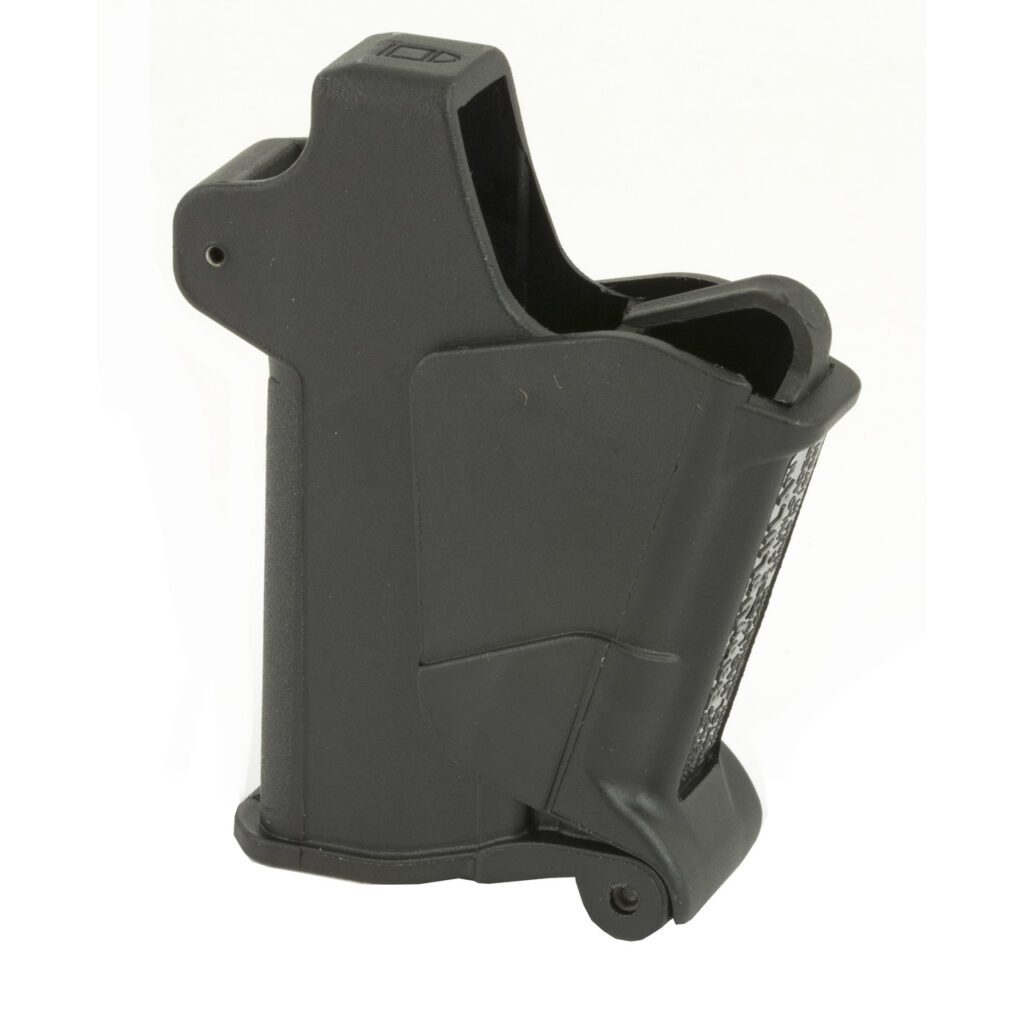
Price range: $27.99 through $34.99
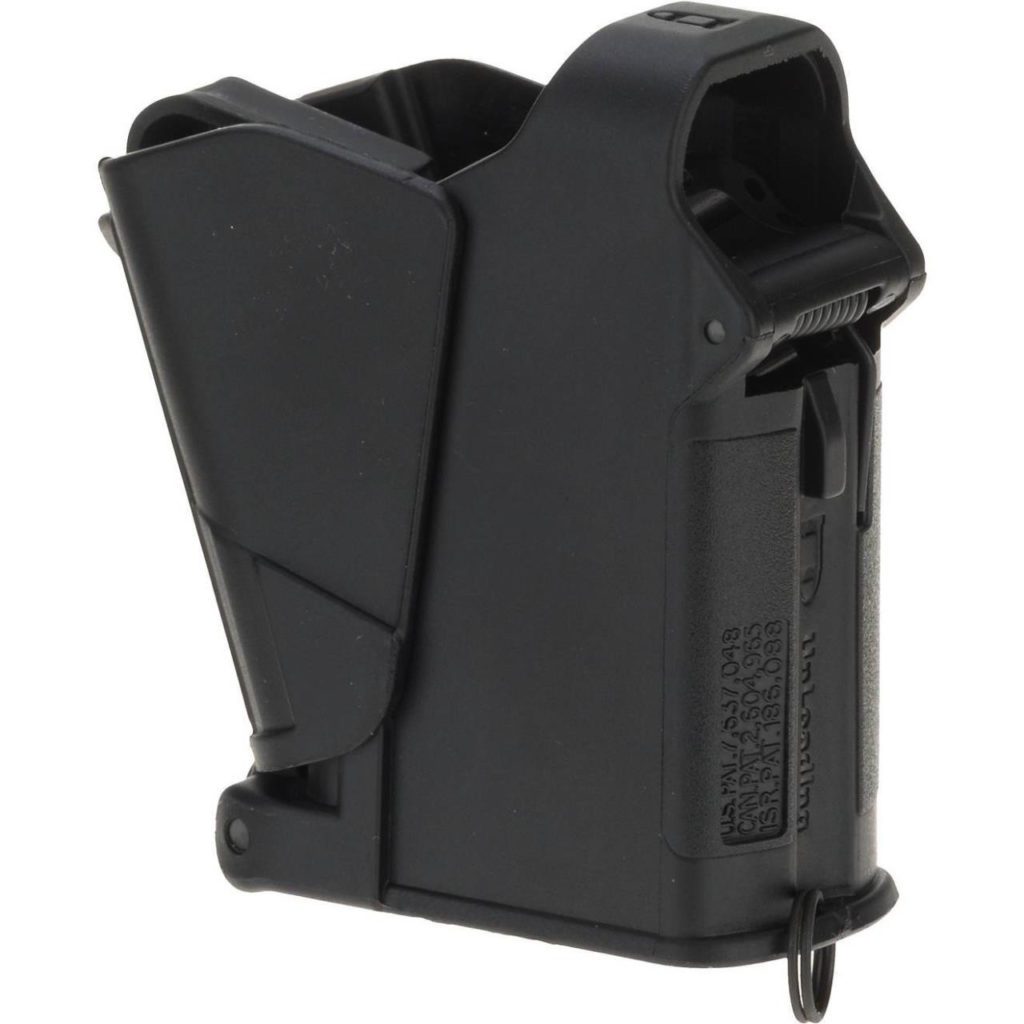
Original price was: $39.99.$32.49Current price is: $32.49.
Original price was: $54.99.$44.99Current price is: $44.99.
Original price was: $14.99.$12.99Current price is: $12.99.

Original price was: $13.99.$12.99Current price is: $12.99.
Original price was: $69.99.$59.99Current price is: $59.99.
Original price was: $16.99.$13.99Current price is: $13.99.
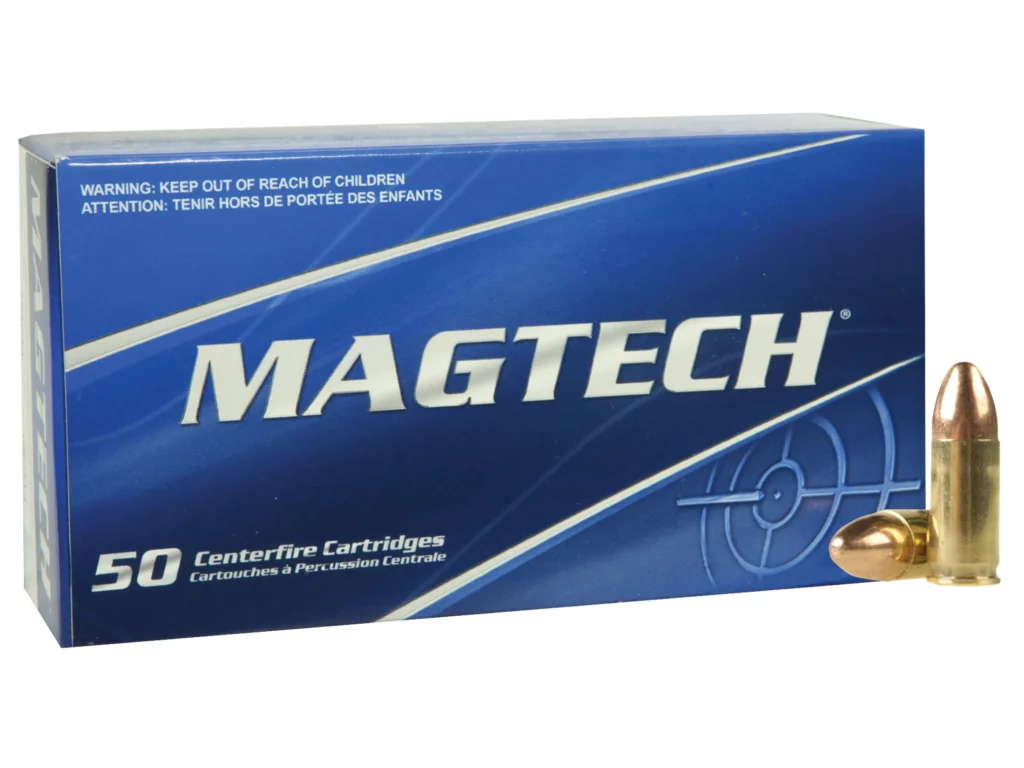
$161.99
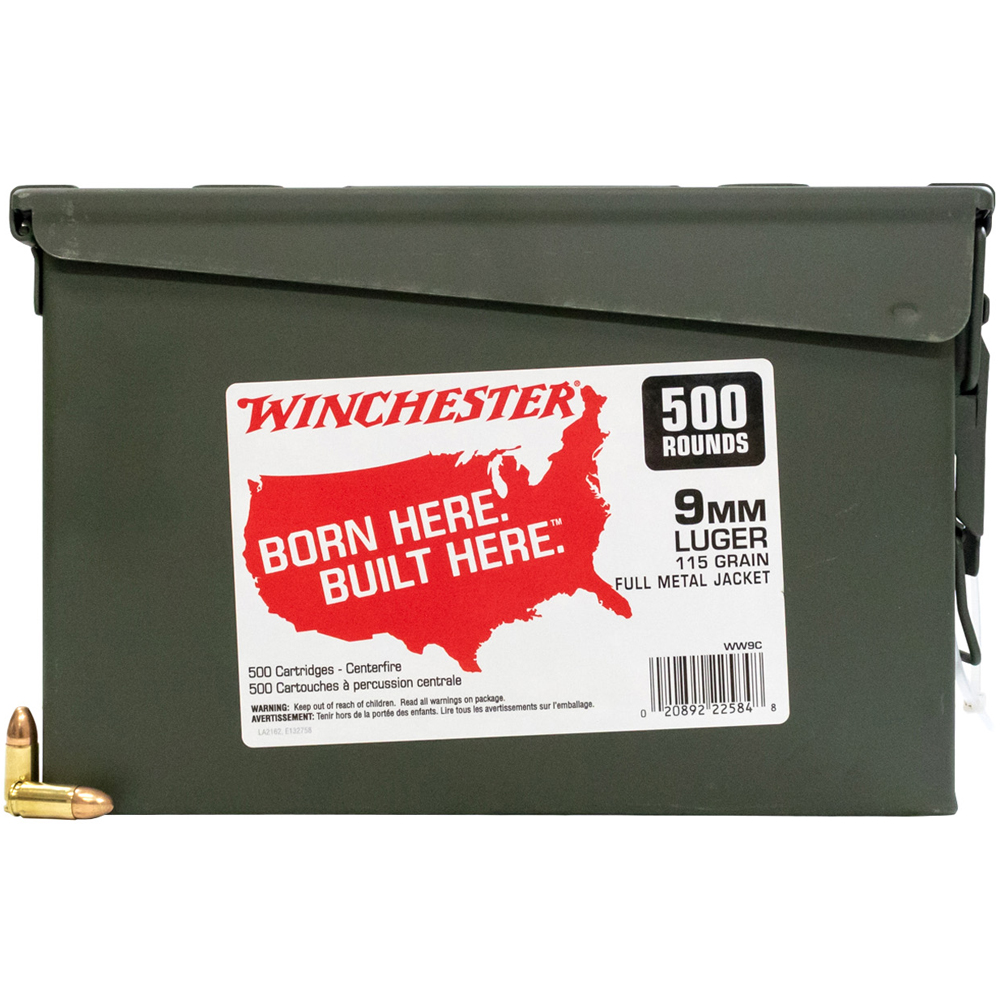
Original price was: $17.99.$12.99Current price is: $12.99.
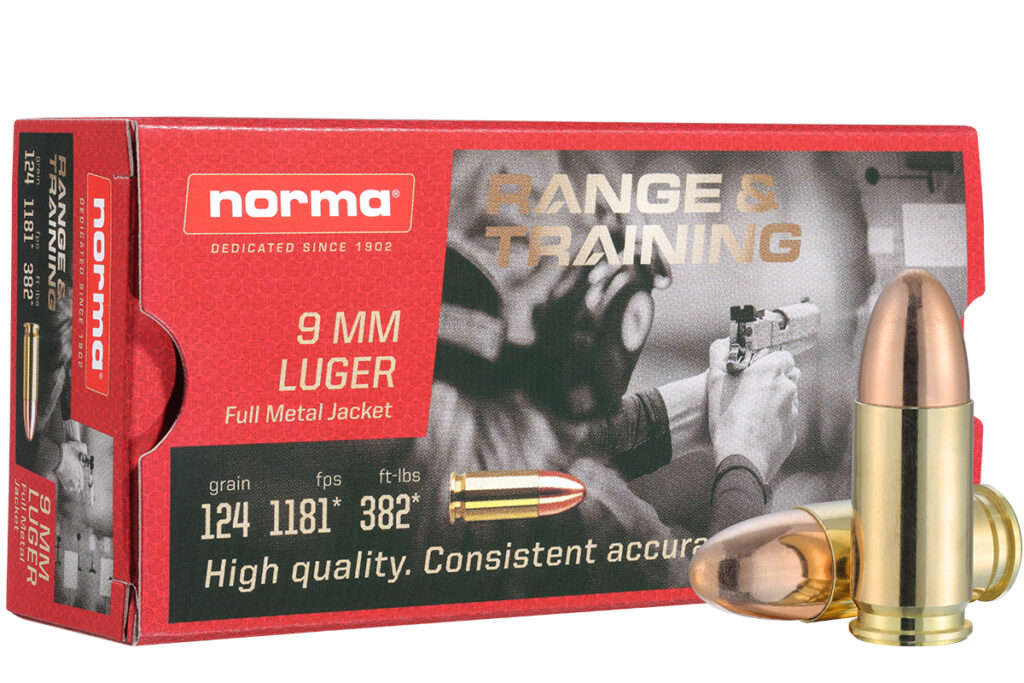
Original price was: $16.19.$12.99Current price is: $12.99.
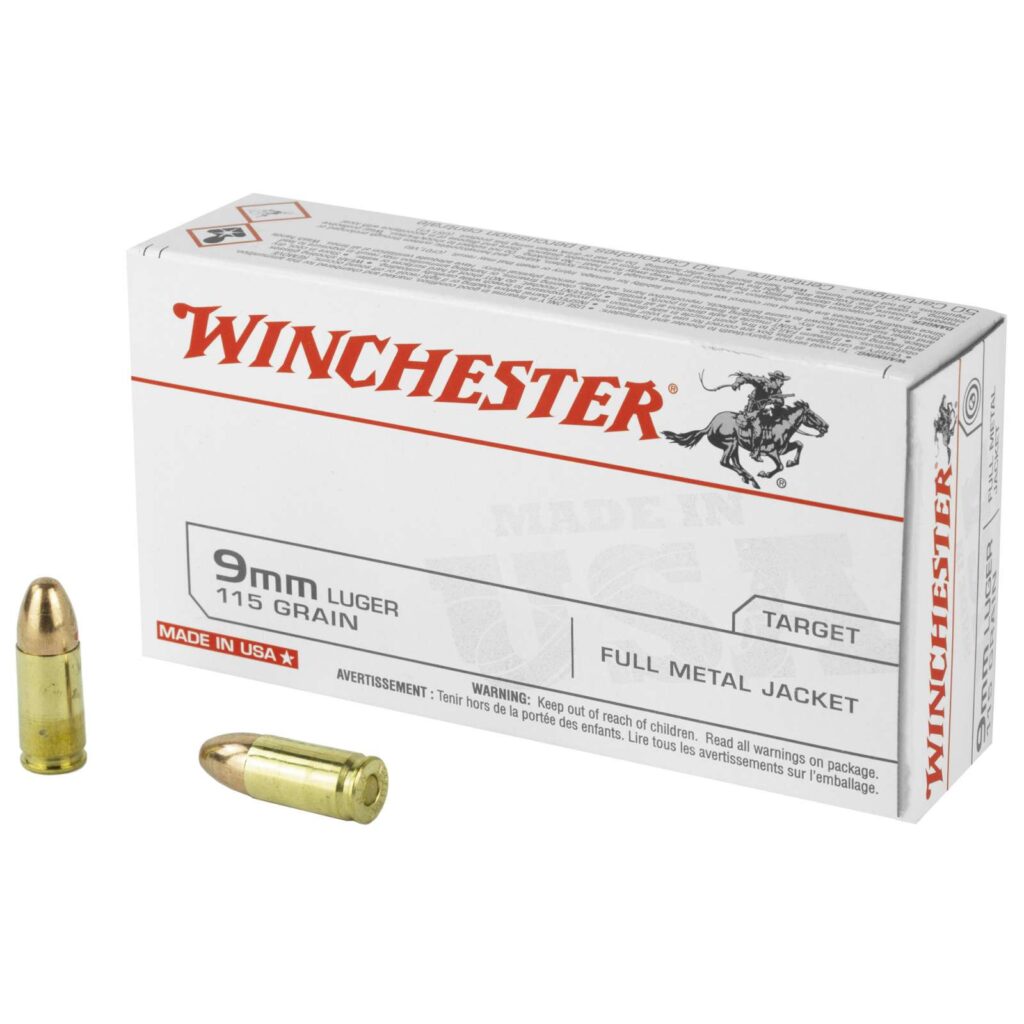
Original price was: $29.99.$24.99Current price is: $24.99.
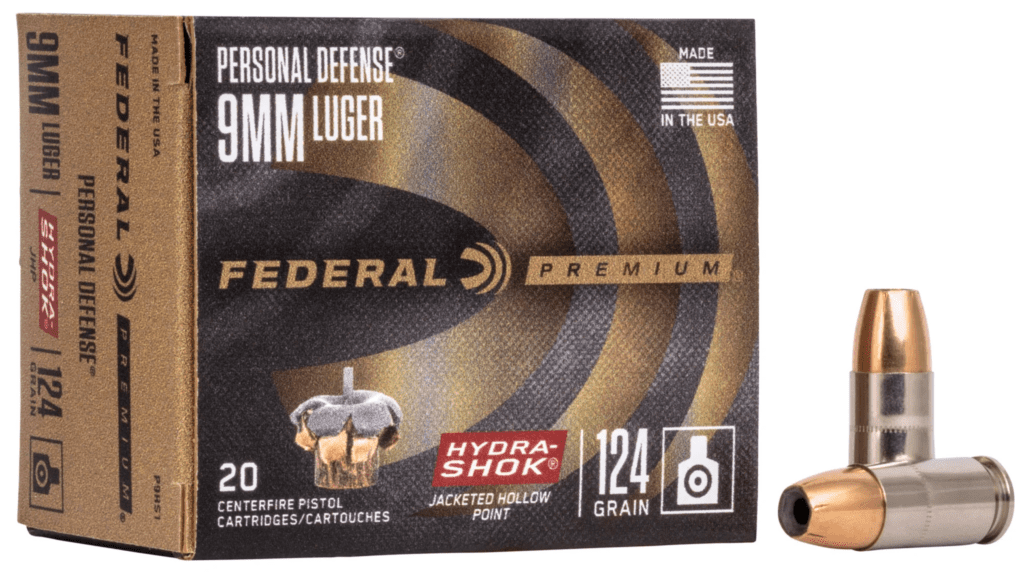
Original price was: $39.99.$24.99Current price is: $24.99.
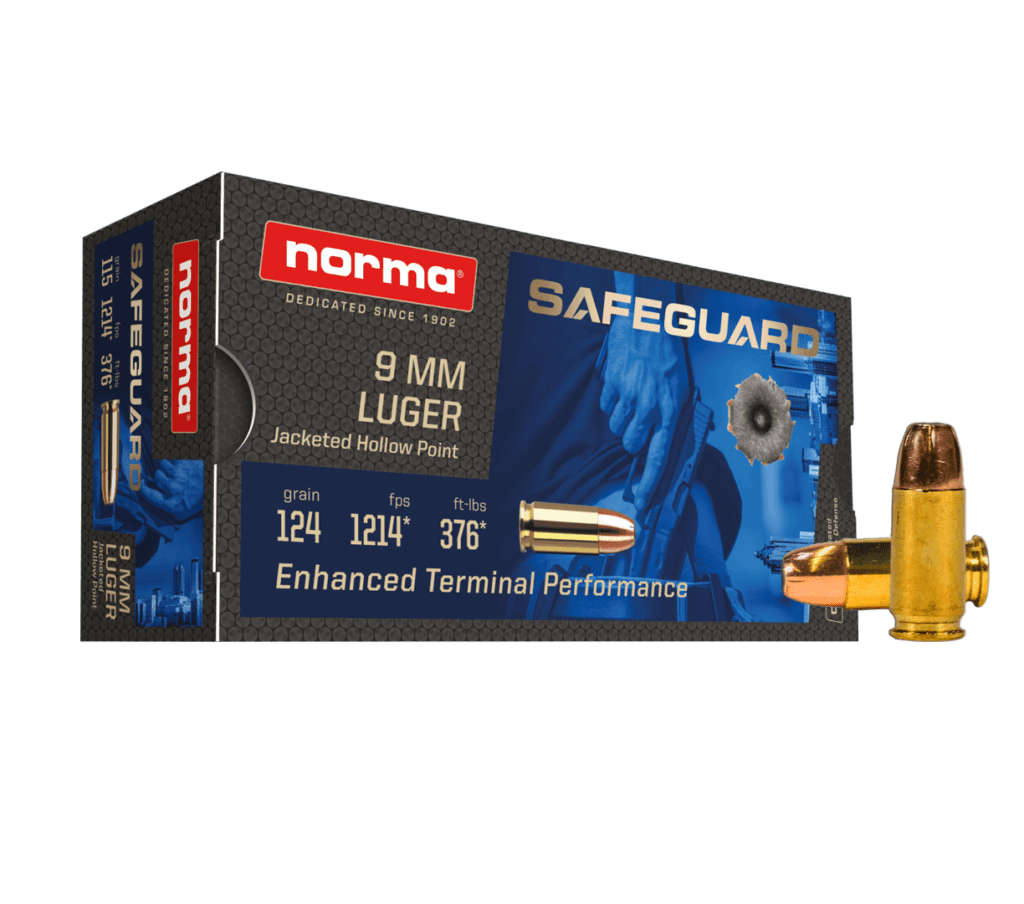
$31.58
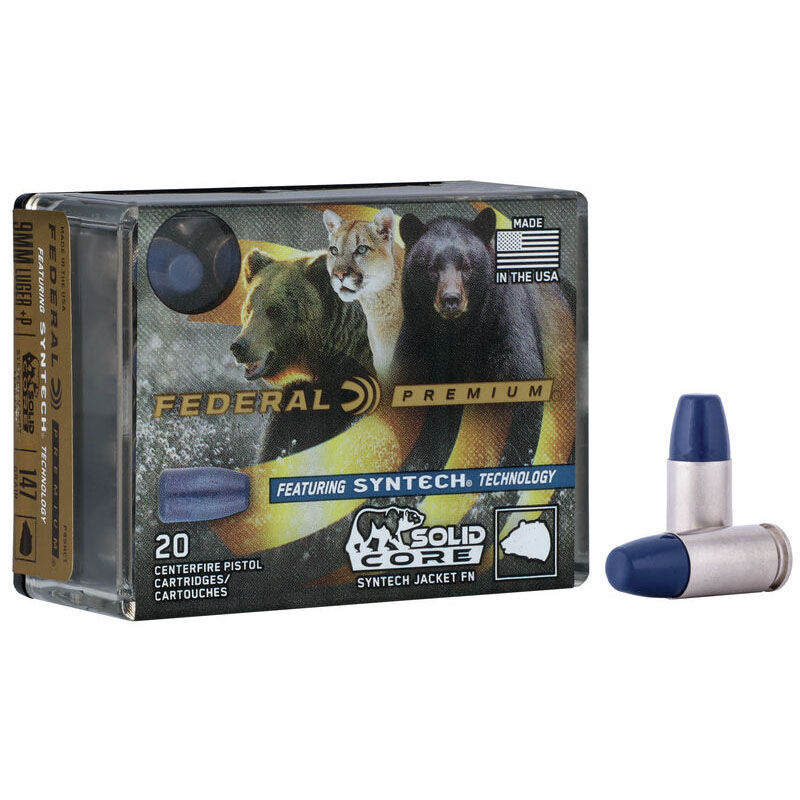
Original price was: $17.99.$16.99Current price is: $16.99.
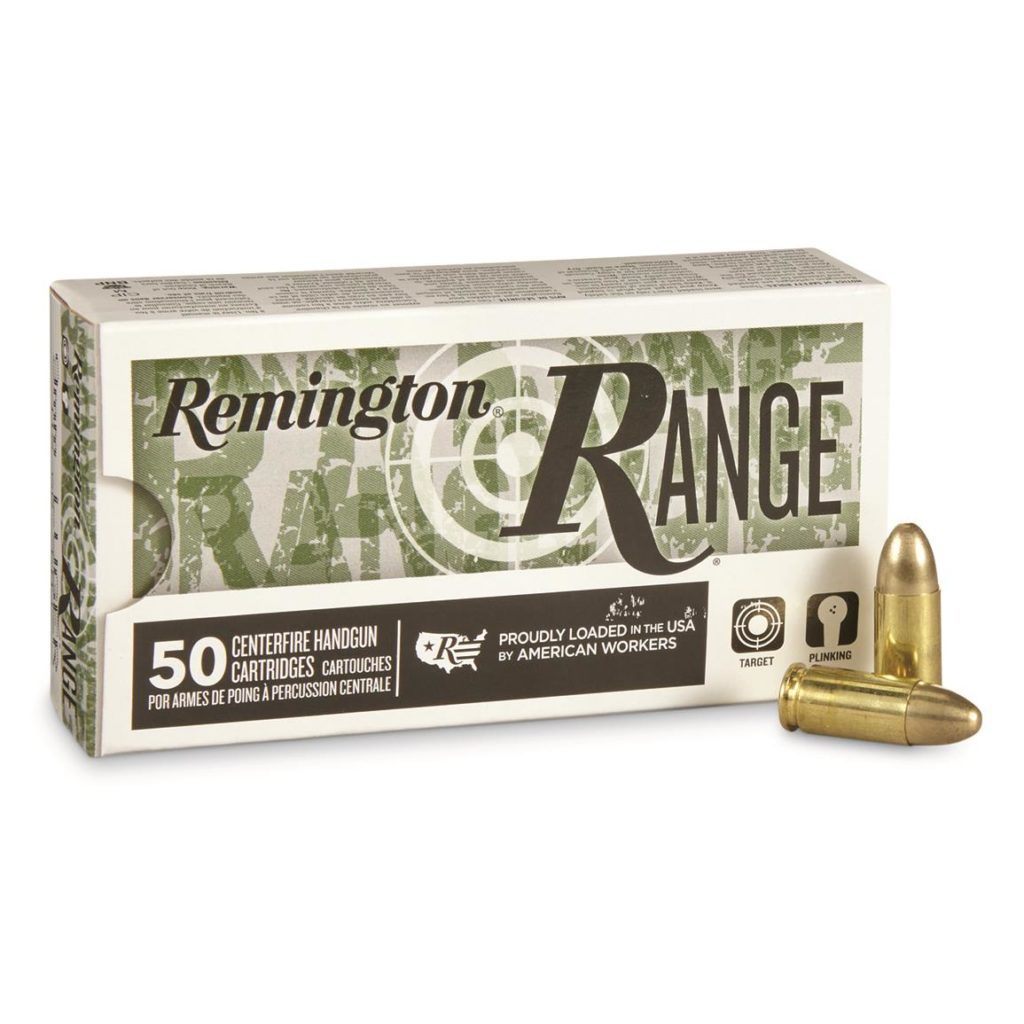
Original price was: $34.99.$24.99Current price is: $24.99.
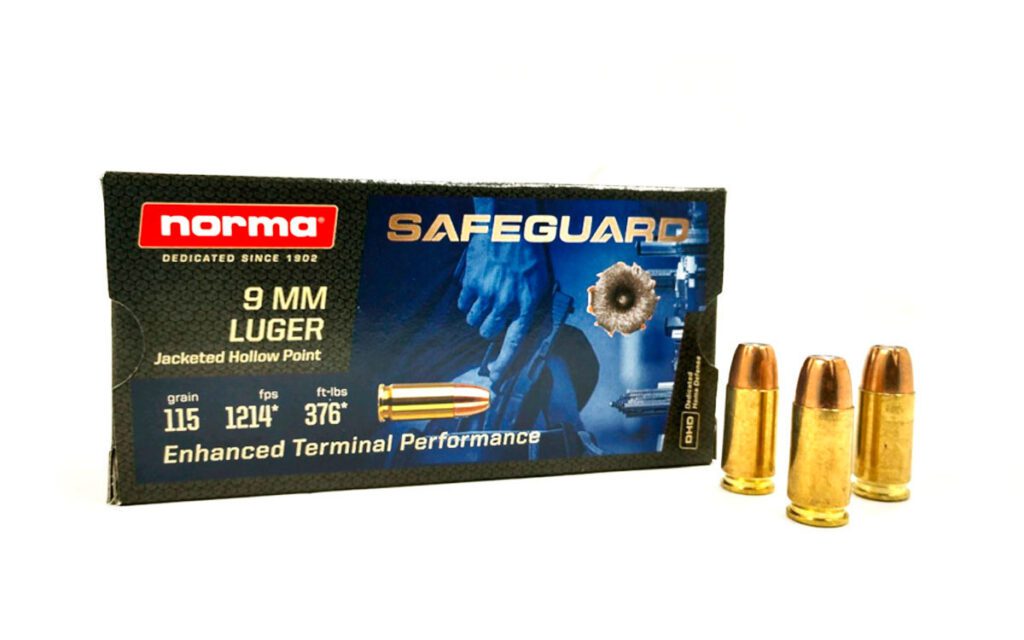
Original price was: $169.99.$134.99Current price is: $134.99.
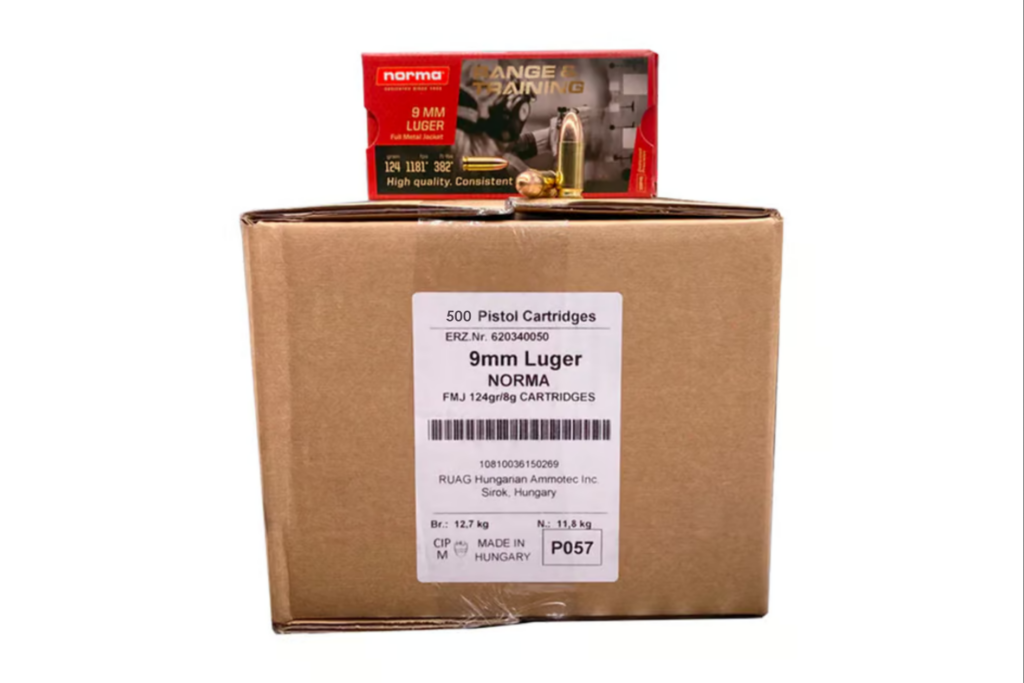
Original price was: $169.99.$124.99Current price is: $124.99.
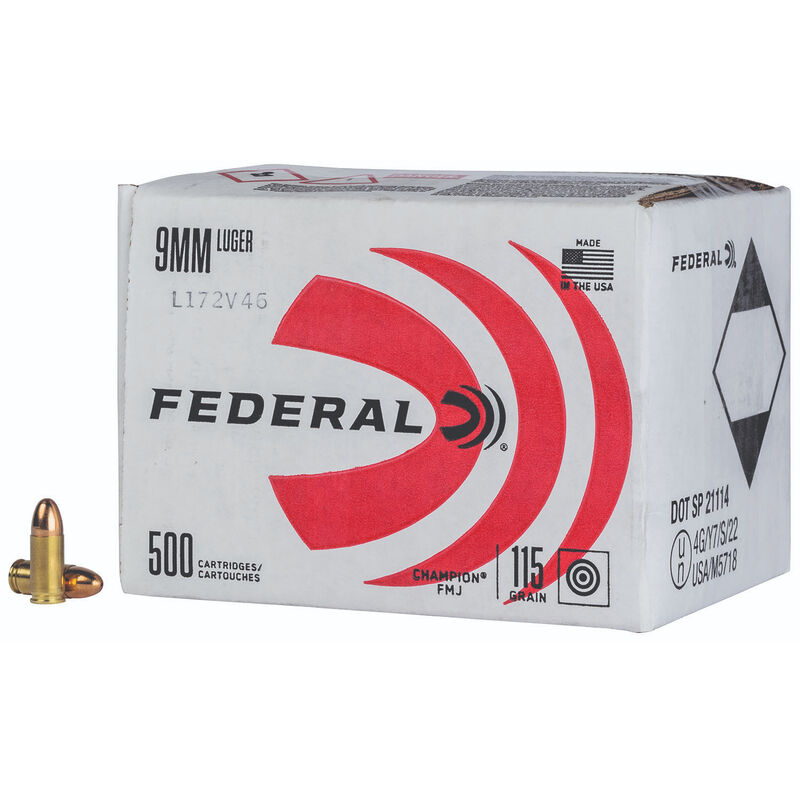
Original price was: $37.99.$27.99Current price is: $27.99.
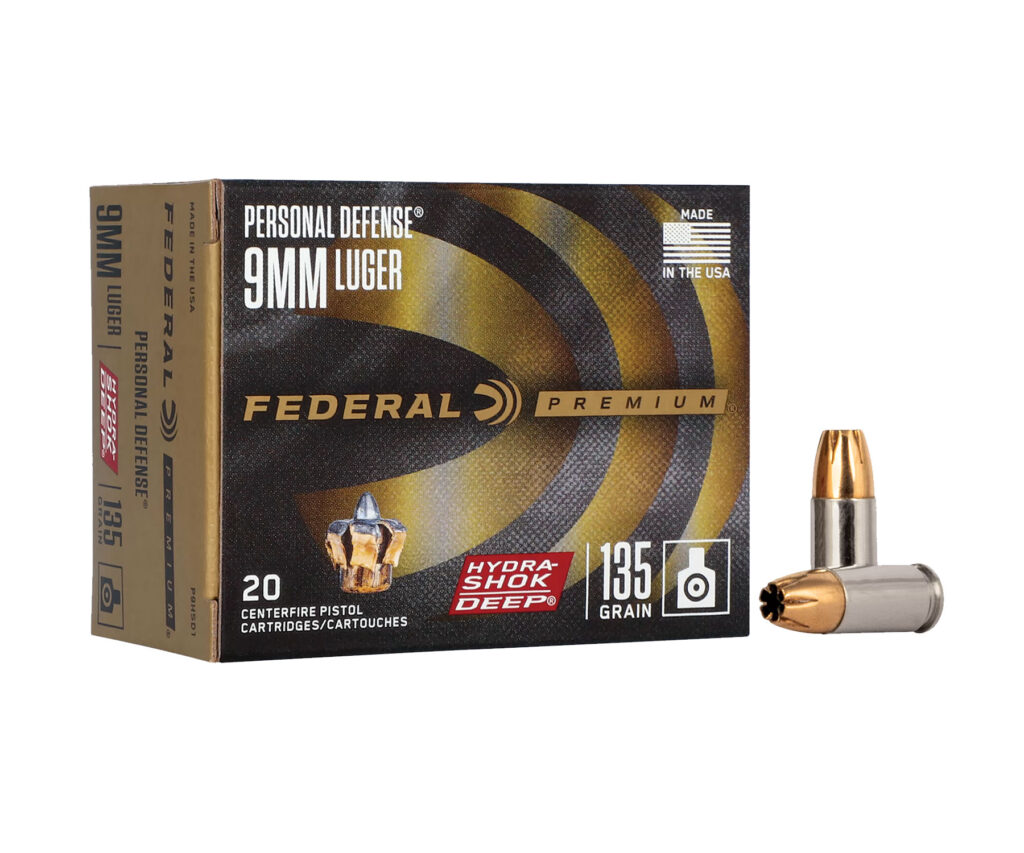
Original price was: $34.99.$29.99Current price is: $29.99.
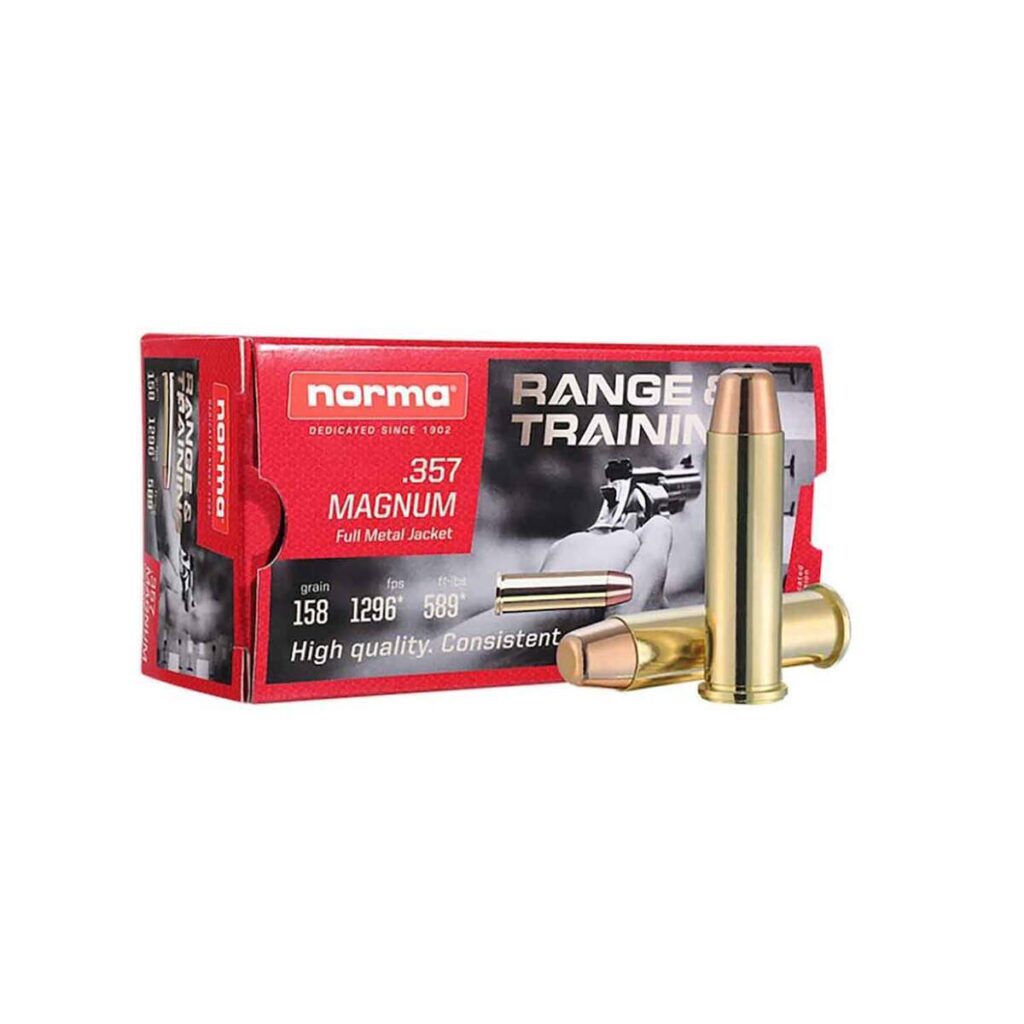
Original price was: $39.99.$34.99Current price is: $34.99.
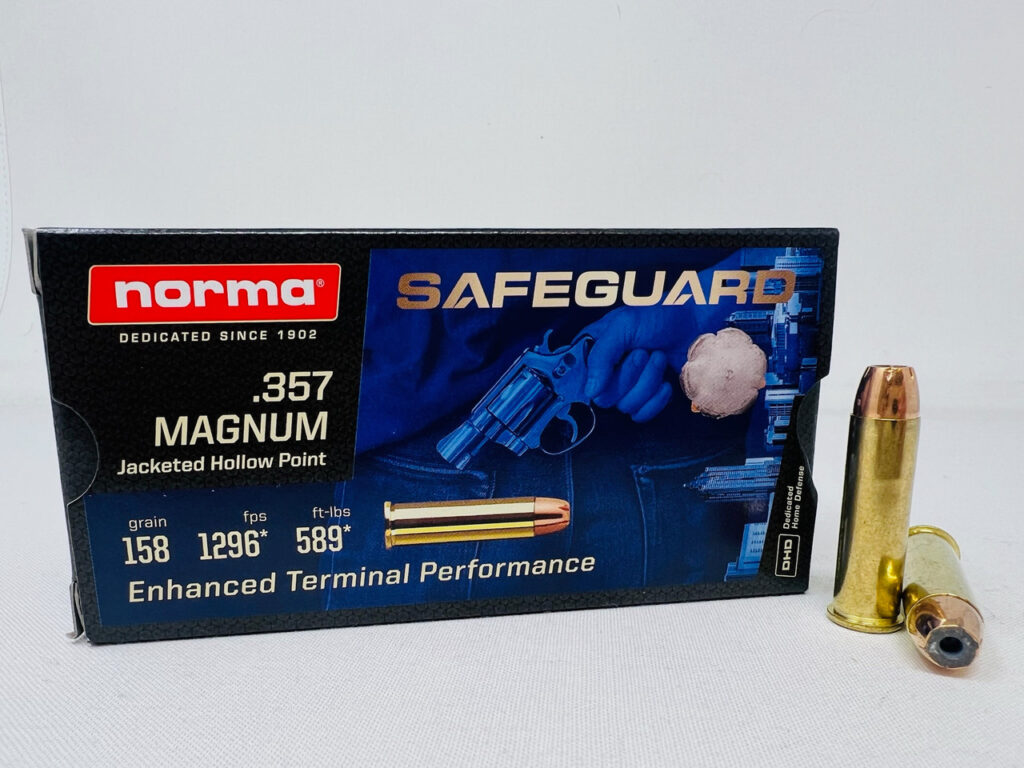
Original price was: $34.99.$29.99Current price is: $29.99.
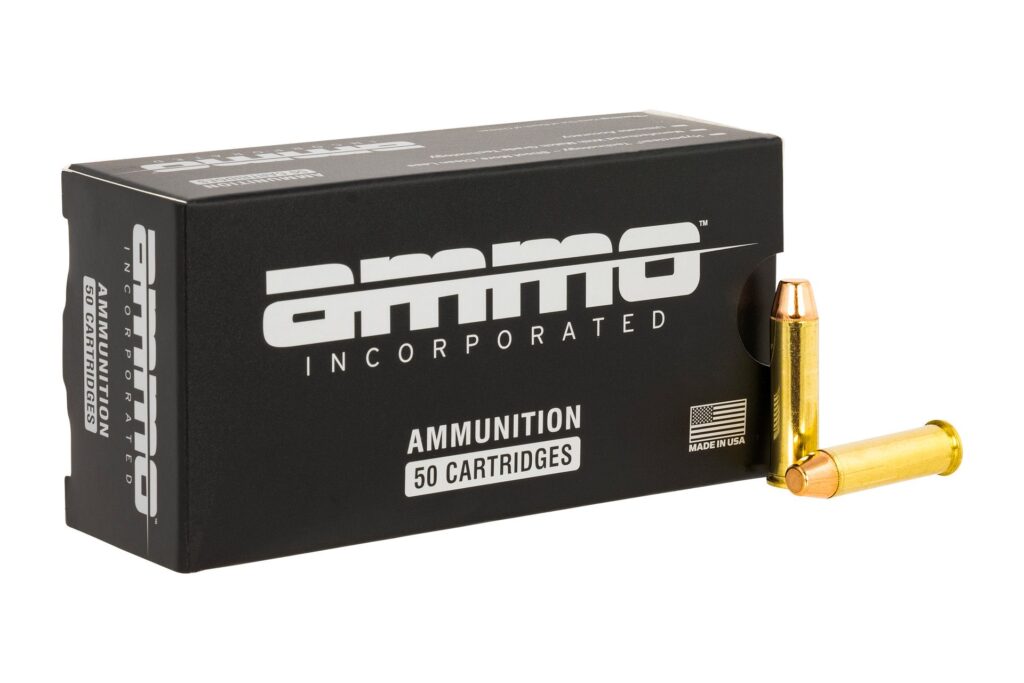
Original price was: $24.99.$16.99Current price is: $16.99.
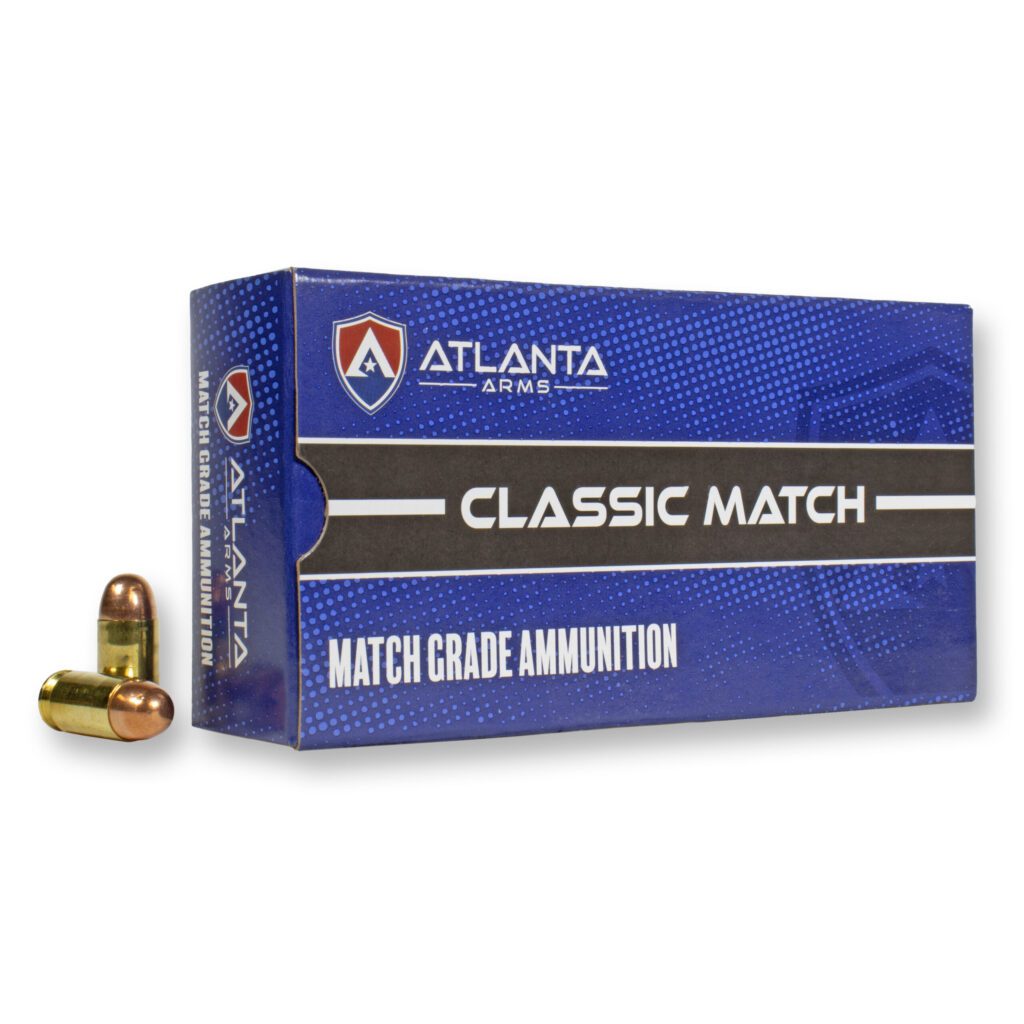
Original price was: $32.99.$24.99Current price is: $24.99.
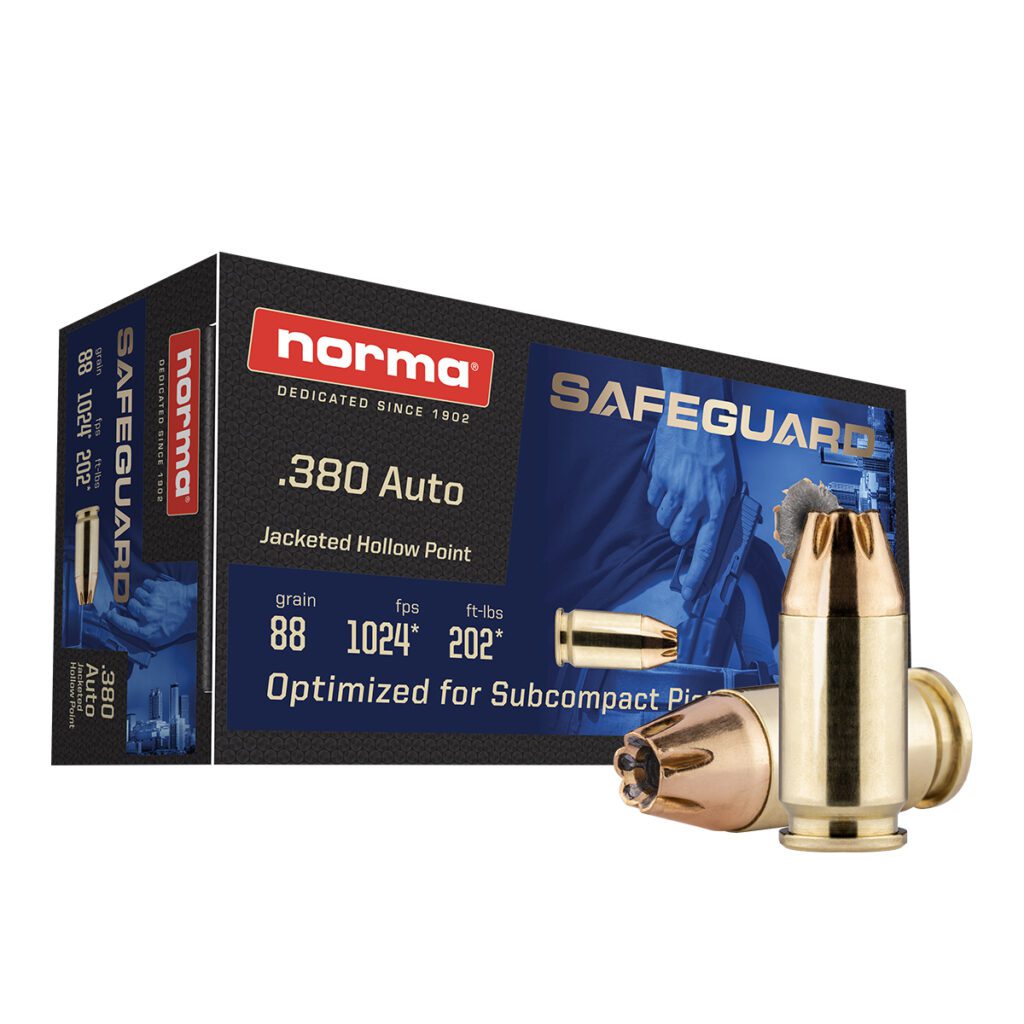
Original price was: $25.99.$17.99Current price is: $17.99.

Original price was: $24.99.$17.99Current price is: $17.99.
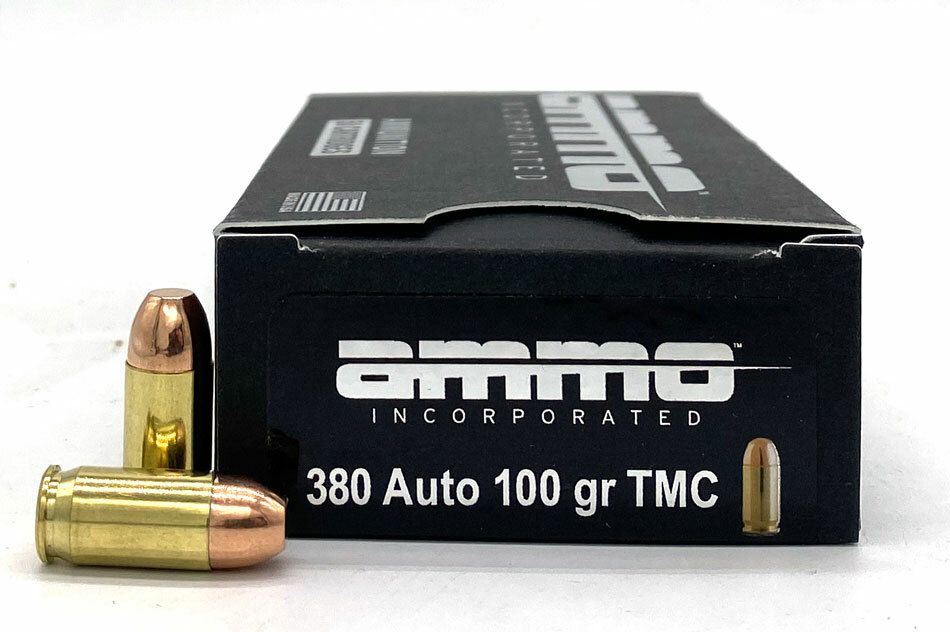
Original price was: $299.99.$185.49Current price is: $185.49.
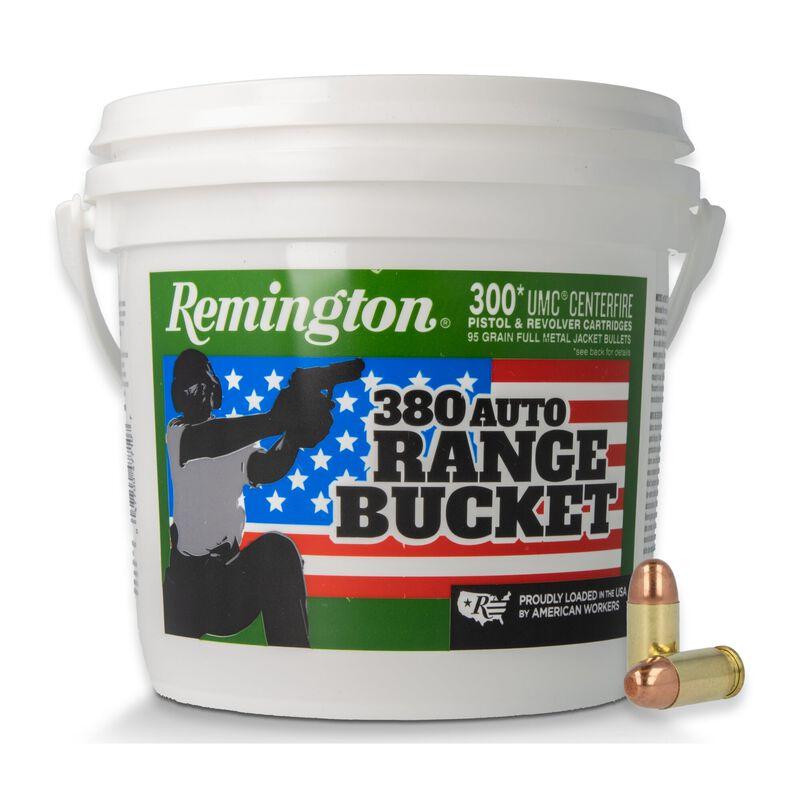
Original price was: $31.99.$28.99Current price is: $28.99.
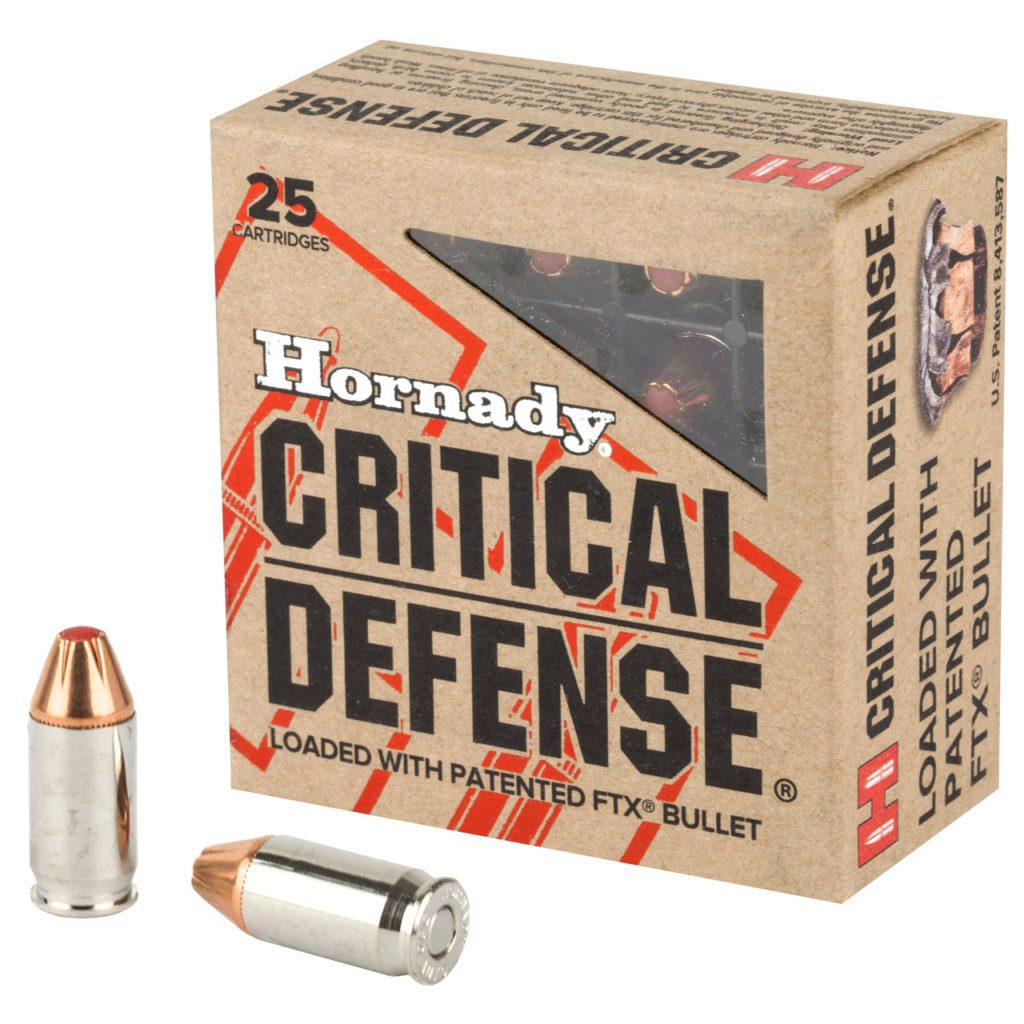
Original price was: $34.99.$29.99Current price is: $29.99.
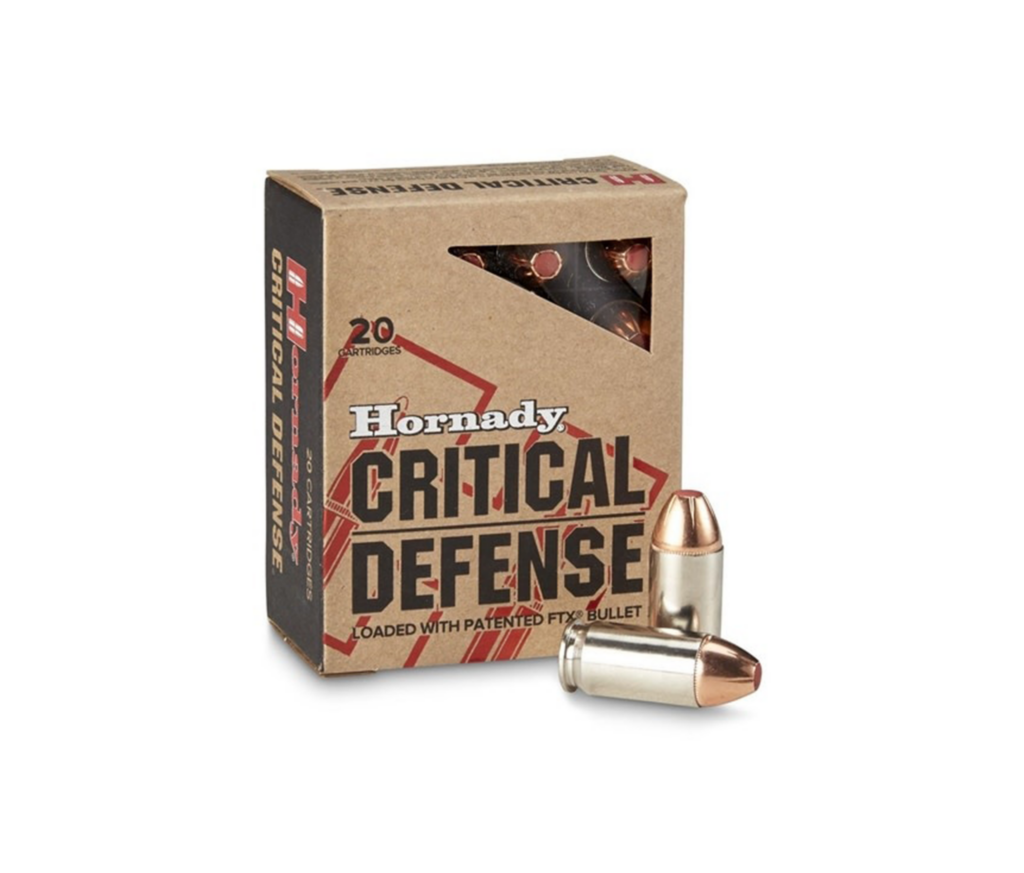
Original price was: $29.99.$24.99Current price is: $24.99.
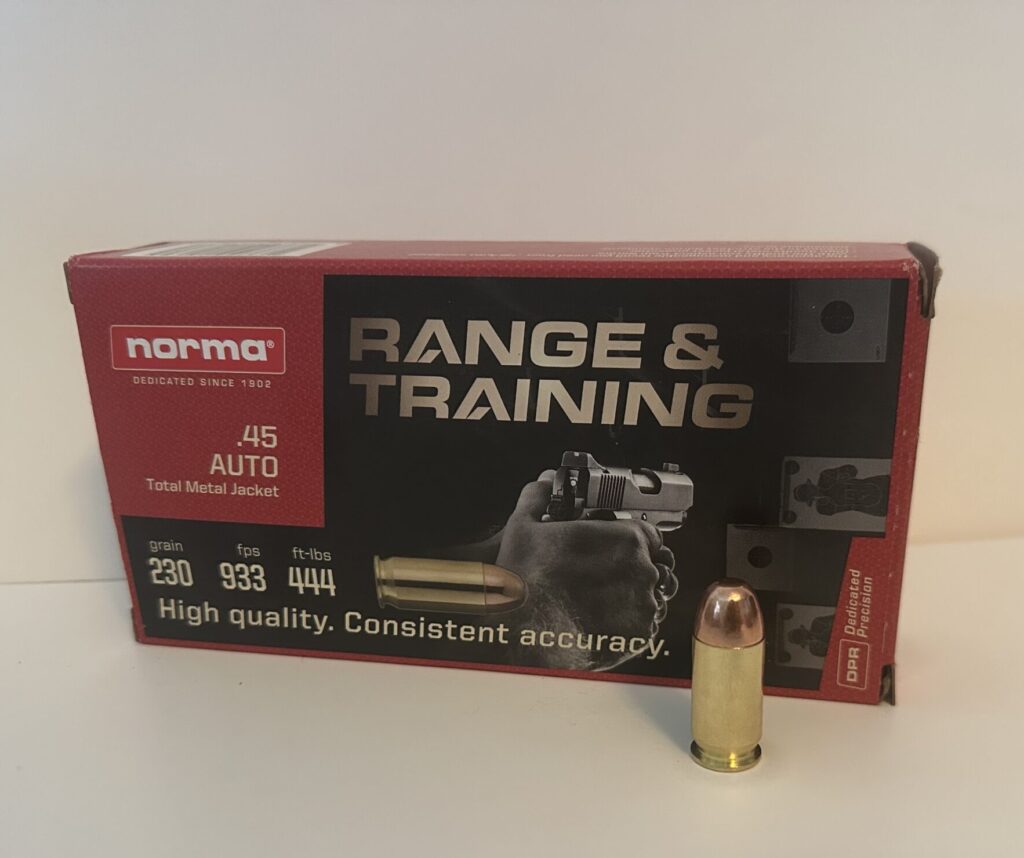
Original price was: $35.99.$32.99Current price is: $32.99.
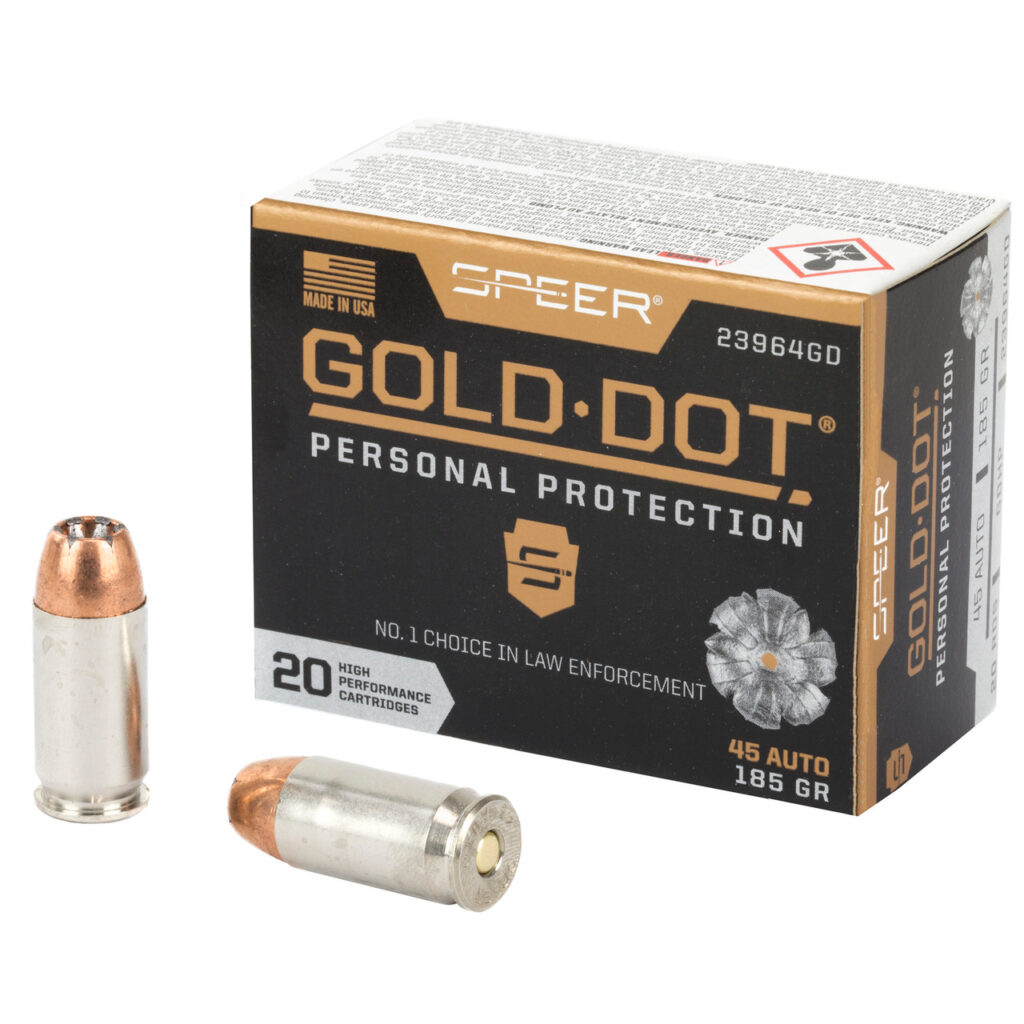
$279.99
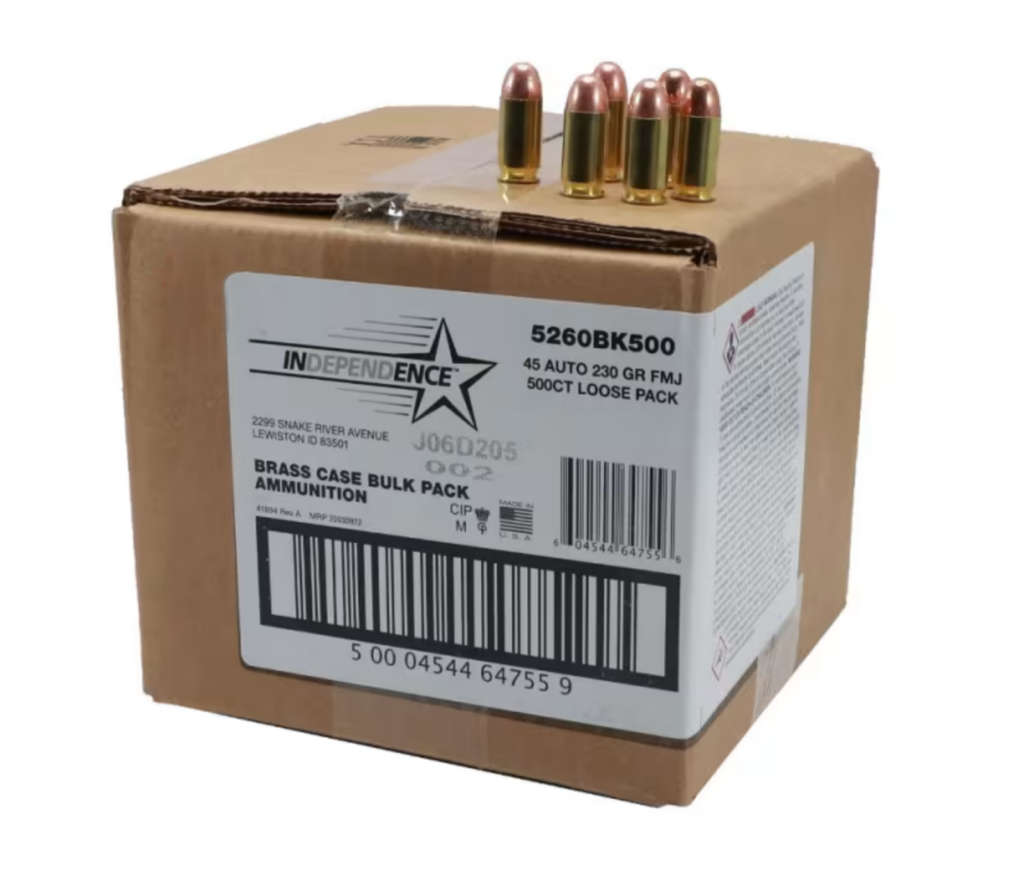
Original price was: $499.00.$449.99Current price is: $449.99.
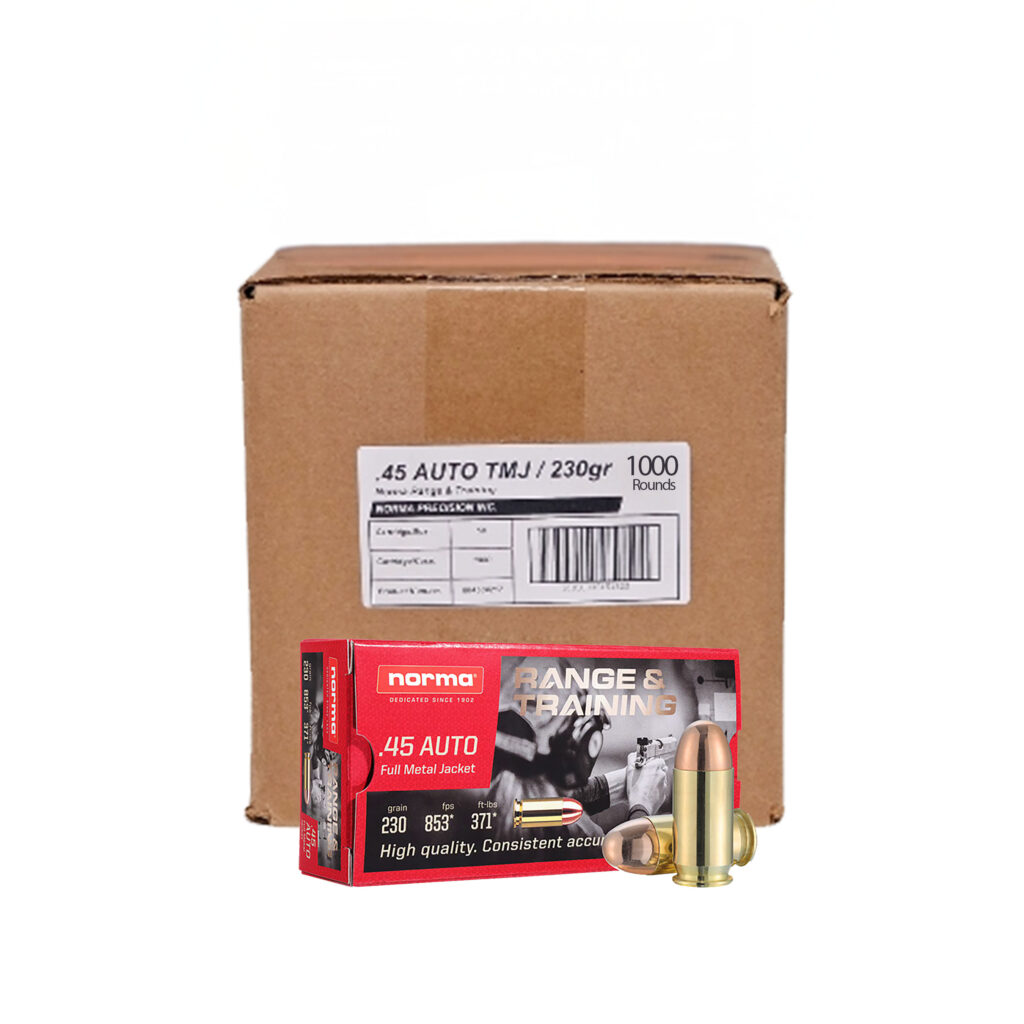
Original price was: $29.99.$24.99Current price is: $24.99.
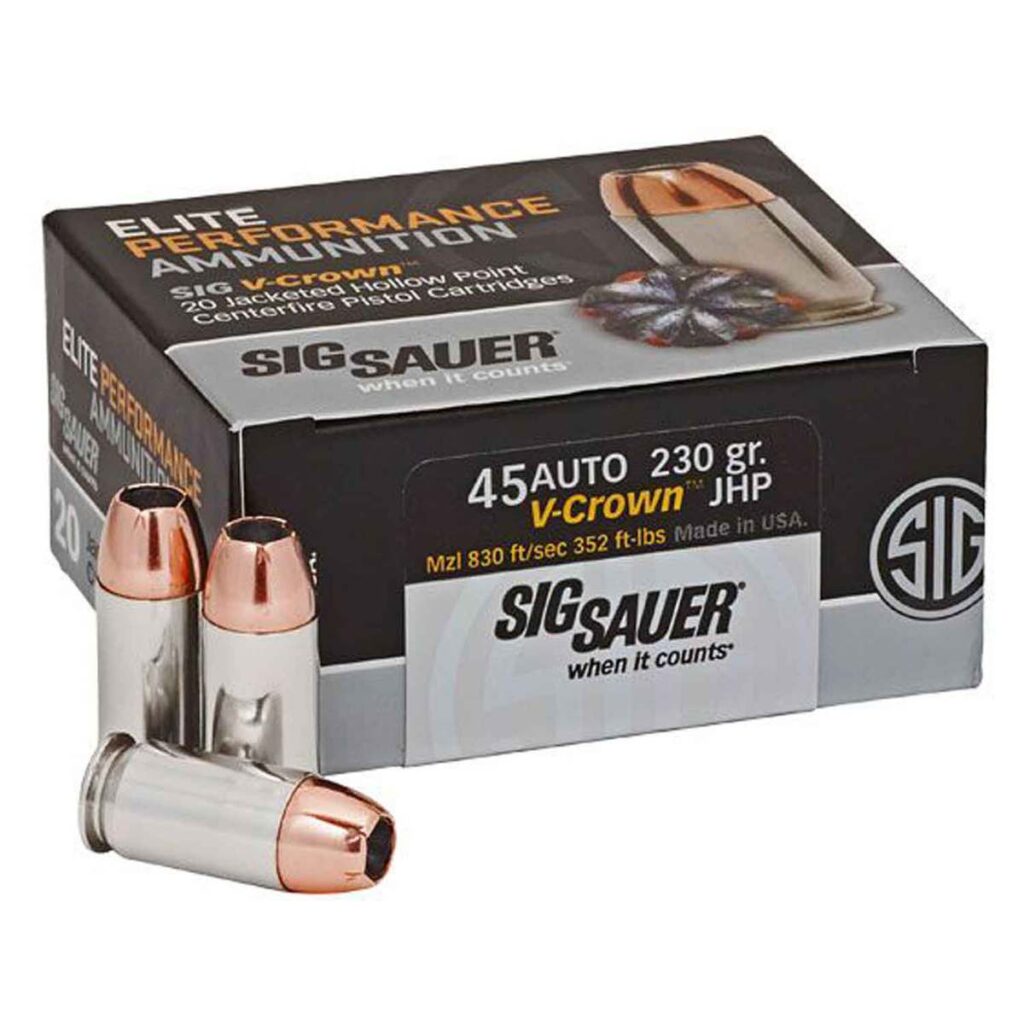
Original price was: $17.99.$11.99Current price is: $11.99.
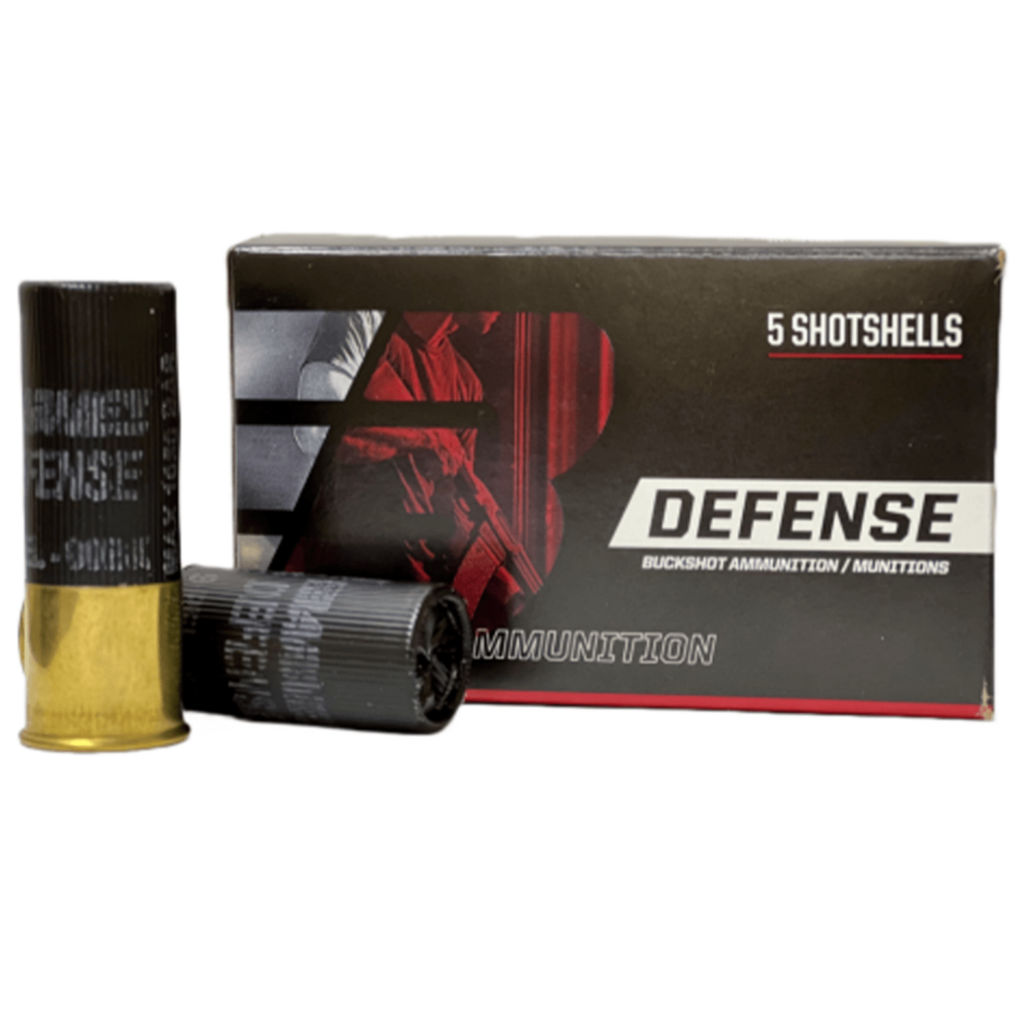
Original price was: $14.99.$9.99Current price is: $9.99.
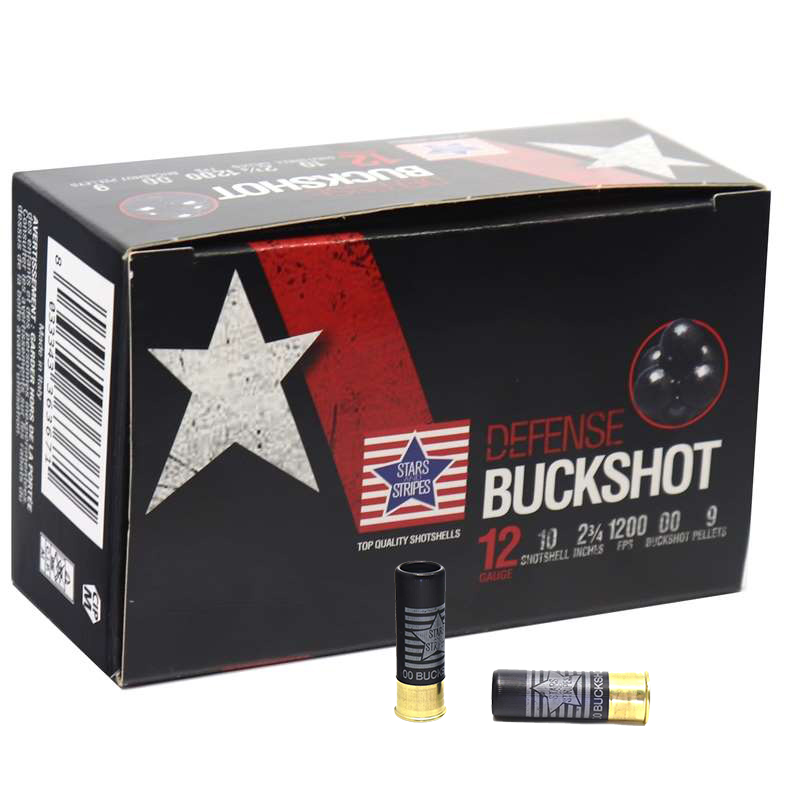
Original price was: $34.99.$29.99Current price is: $29.99.
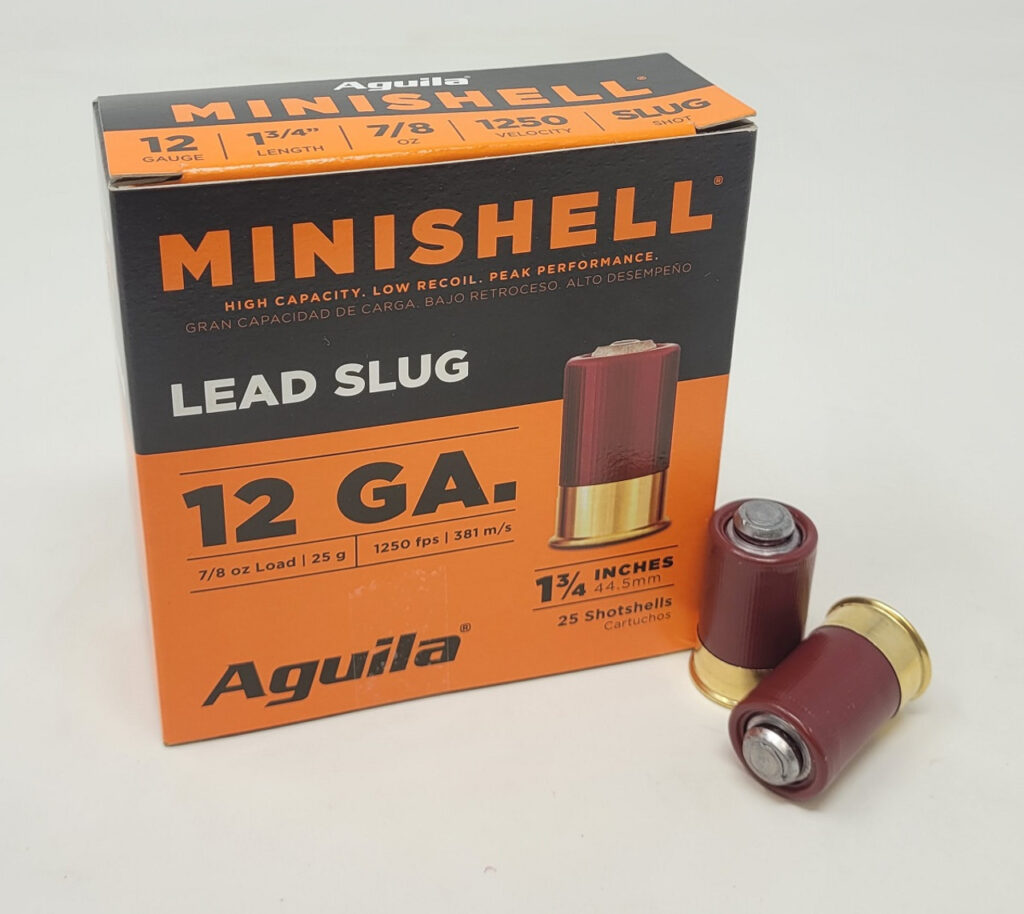
Original price was: $198.00.$158.00Current price is: $158.00.
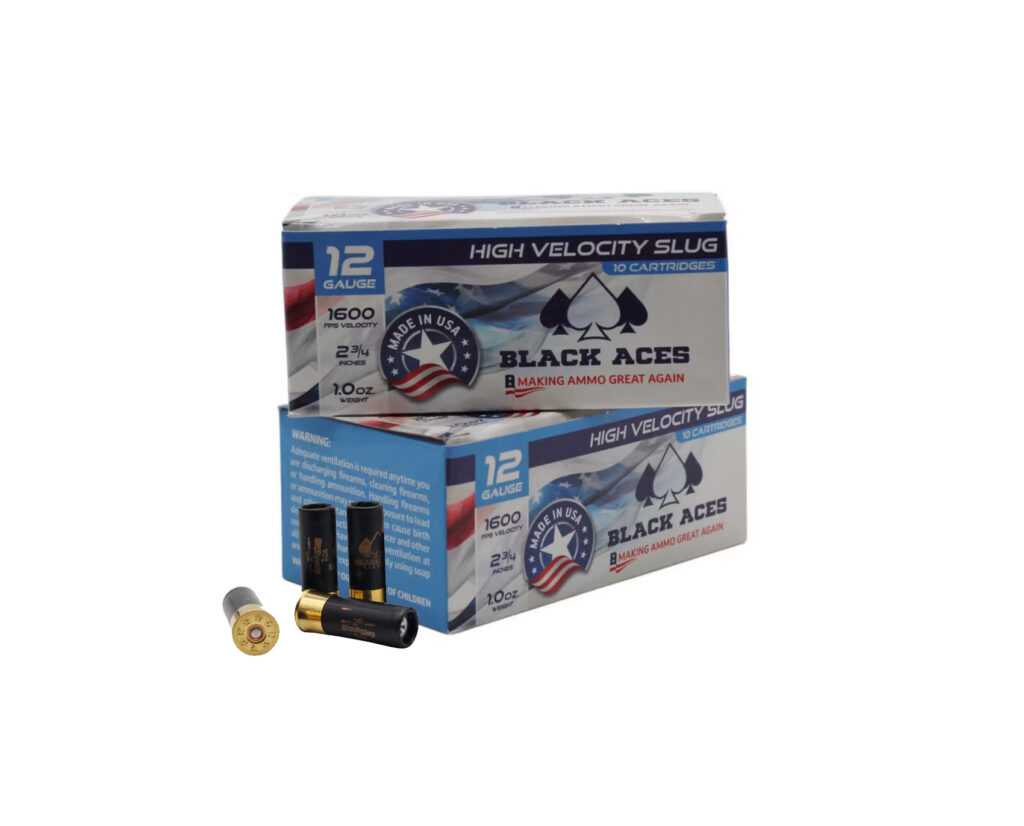
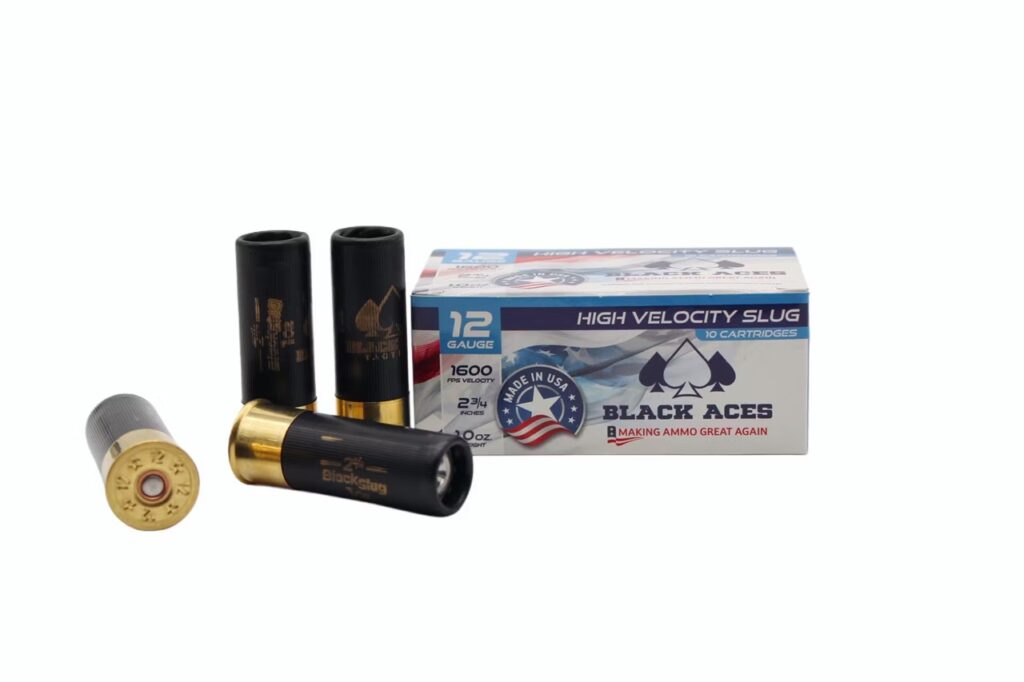
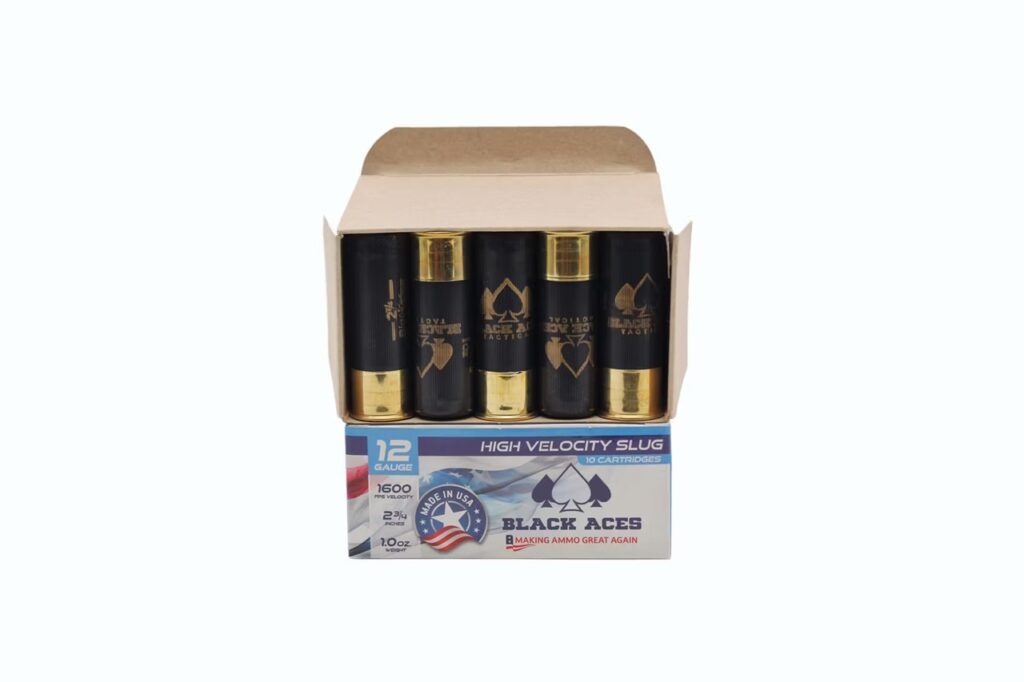
Original price was: $12.99.$10.49Current price is: $10.49.

Original price was: $450.99.$344.99Current price is: $344.99.


$37.99
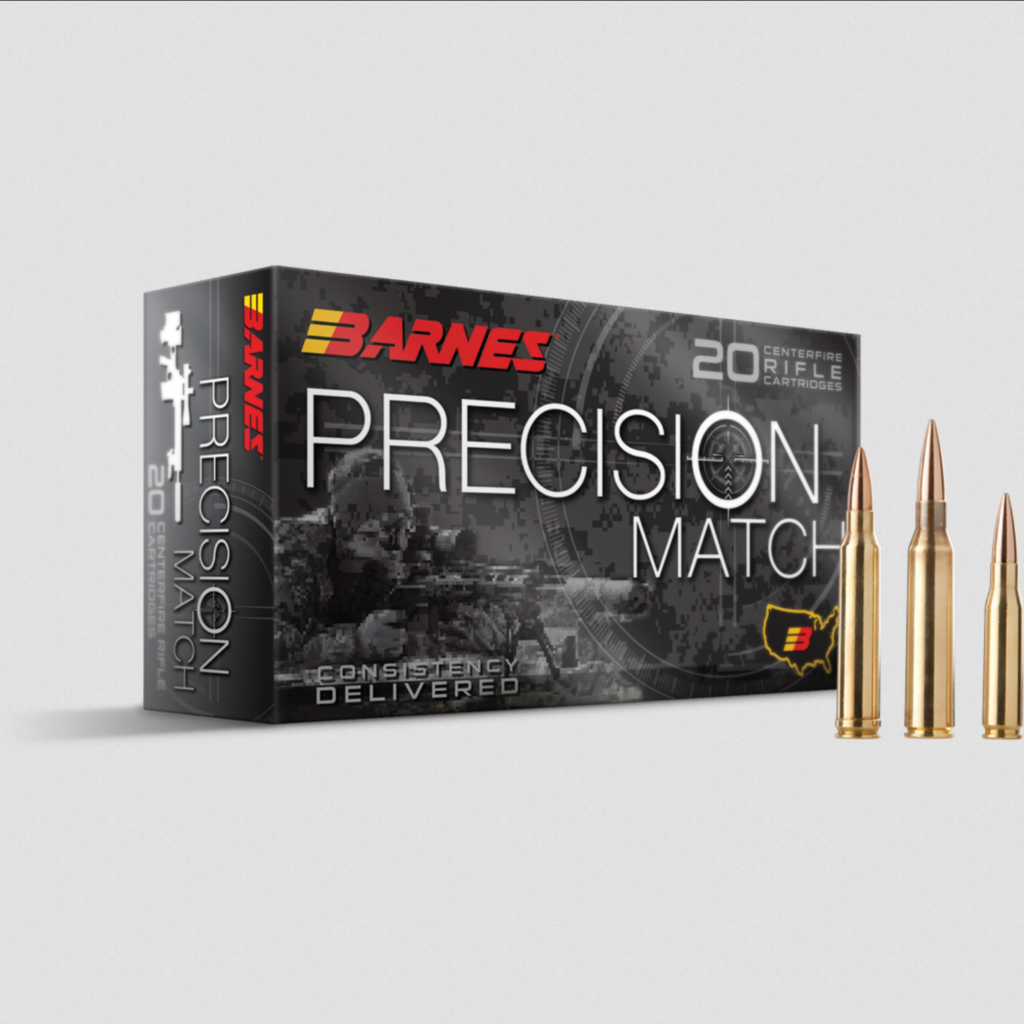
Original price was: $254.35.$199.99Current price is: $199.99.

Original price was: $594.99.$574.99Current price is: $574.99.
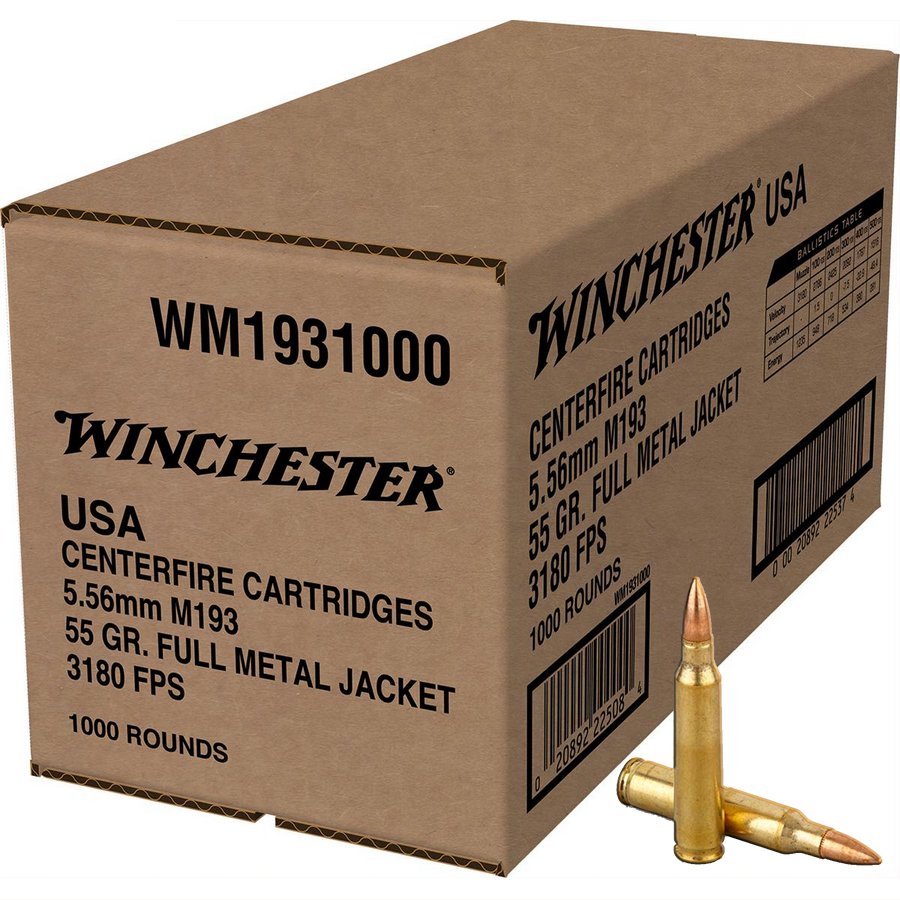
Original price was: $14.99.$9.99Current price is: $9.99.
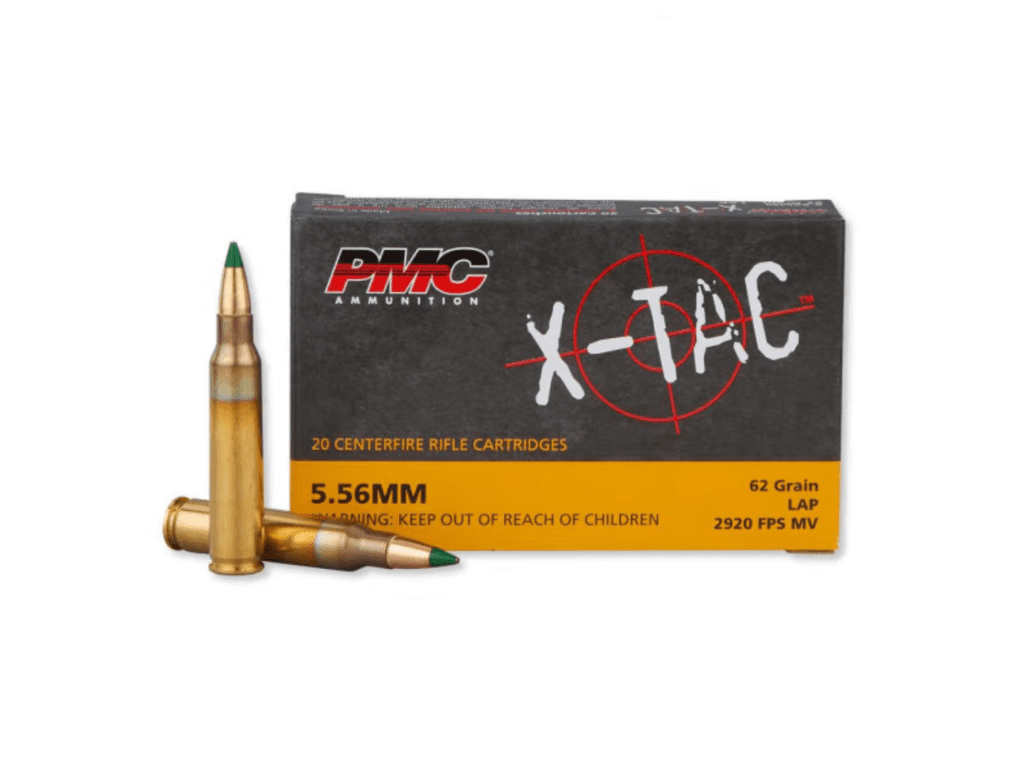
Original price was: $574.99.$524.99Current price is: $524.99.
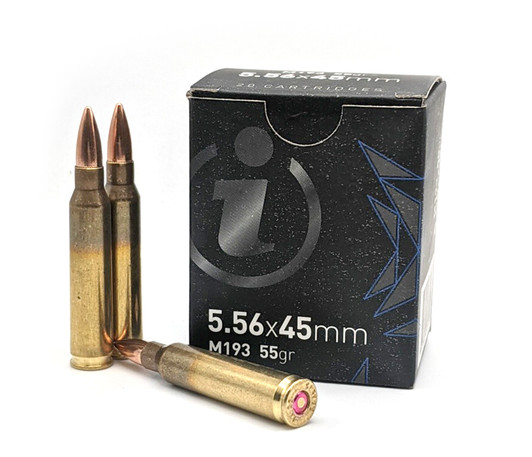
$299.99
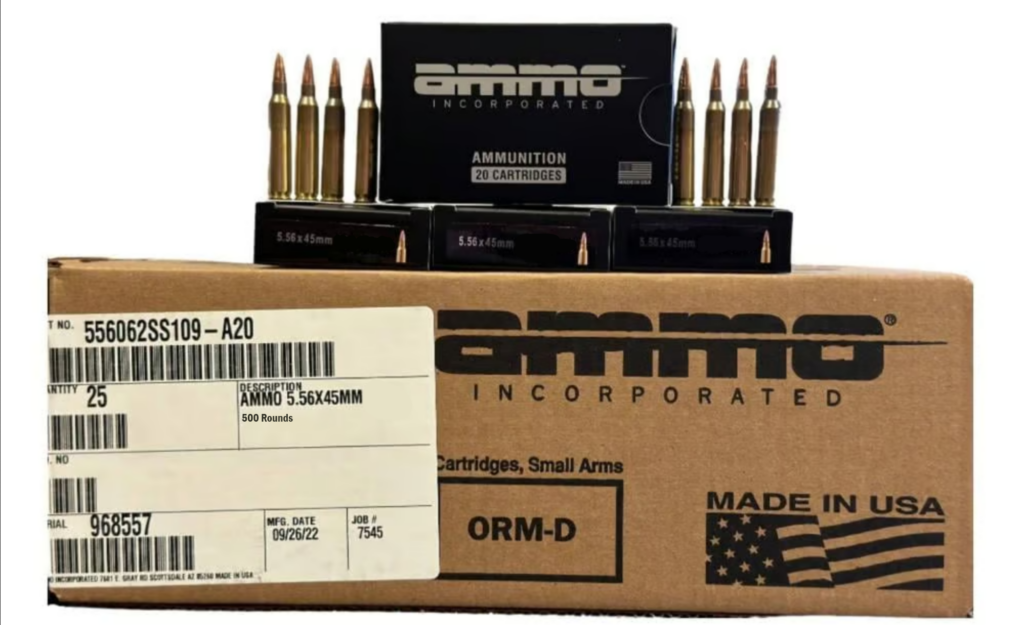
Original price was: $139.99.$124.99Current price is: $124.99.
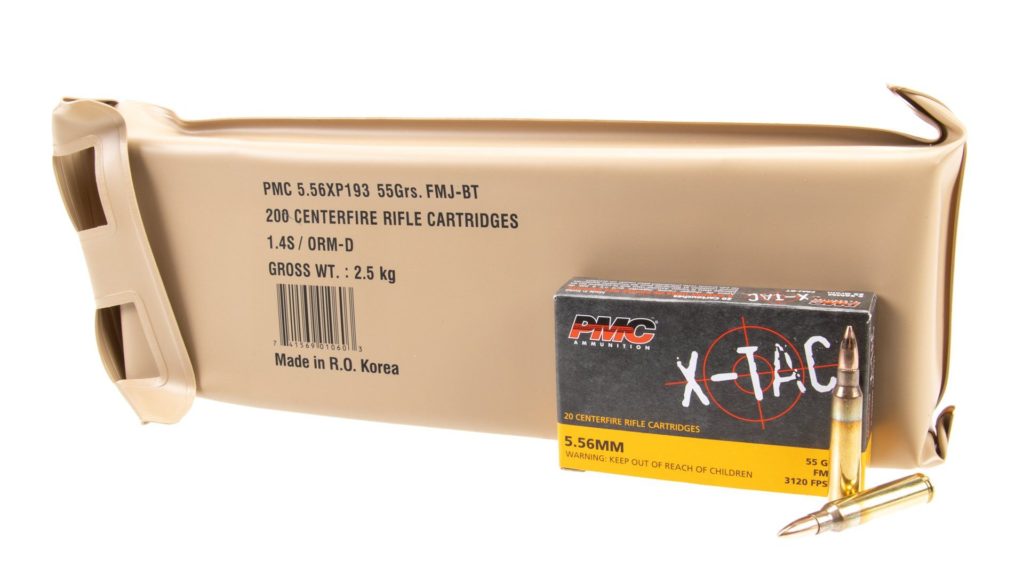
Original price was: $34.99.$27.99Current price is: $27.99.
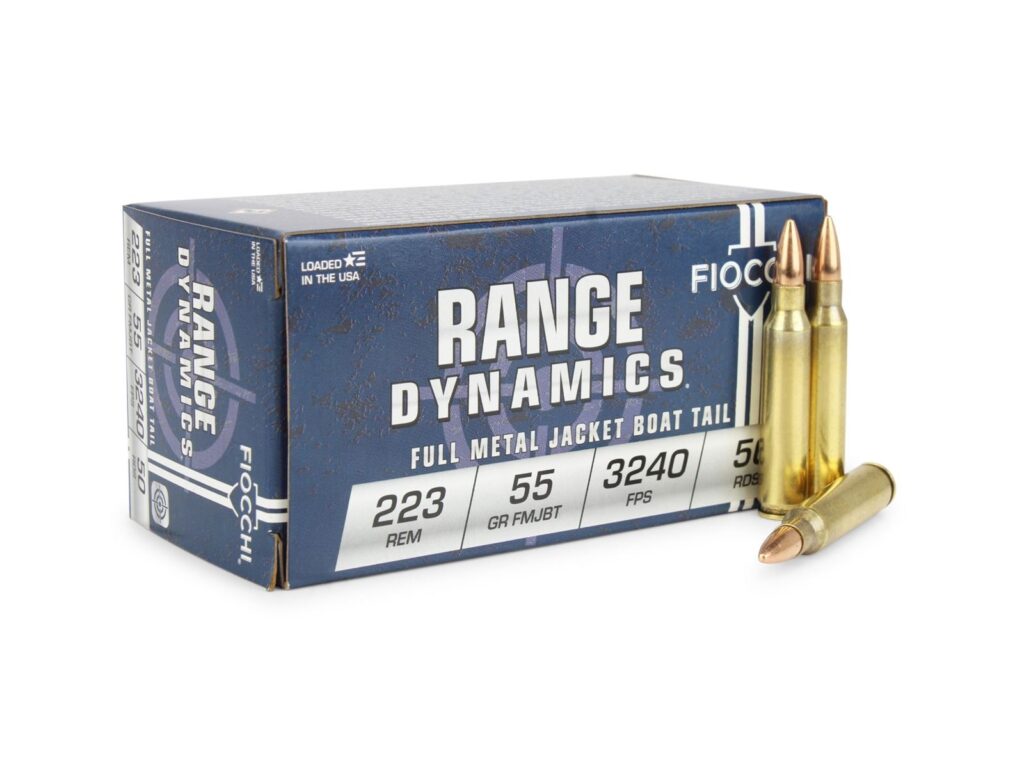
Original price was: $1,119.99.$950.99Current price is: $950.99.
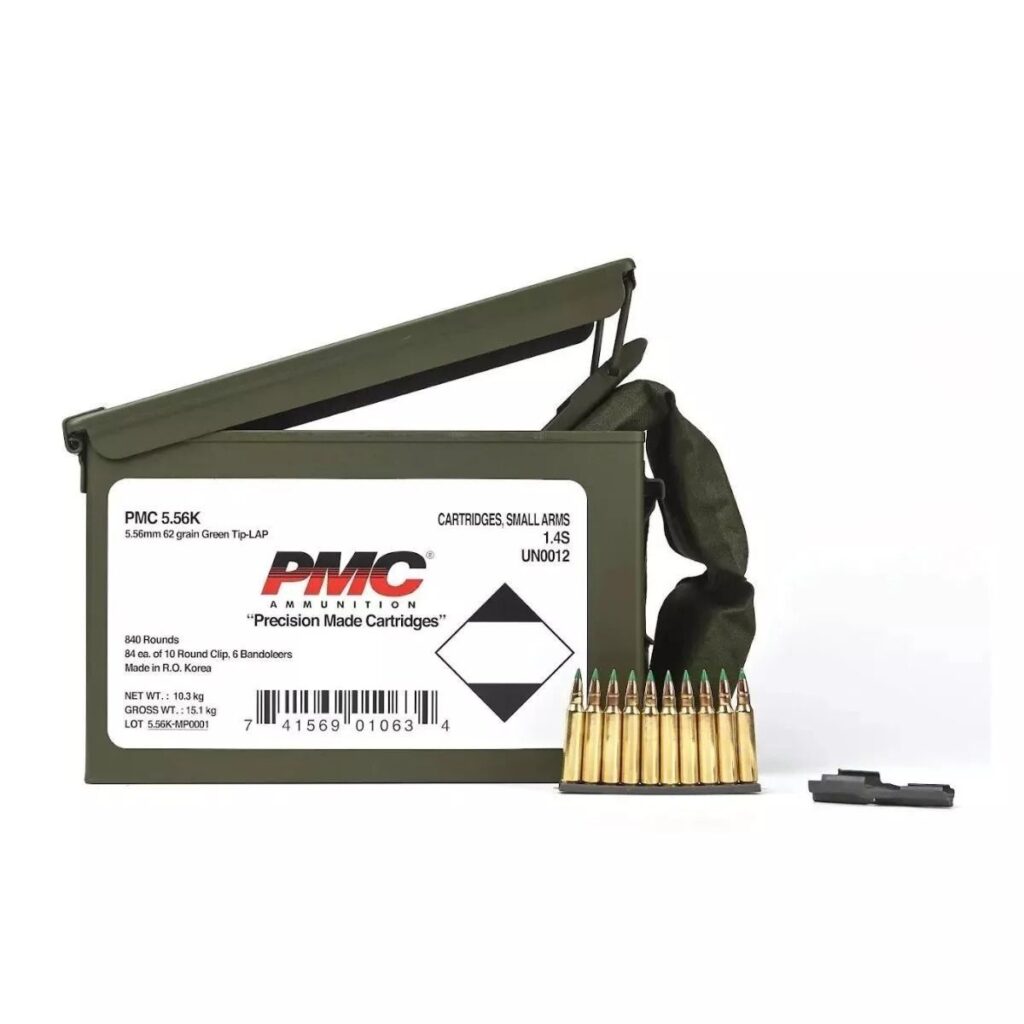
Original price was: $923.56.$855.99Current price is: $855.99.

Original price was: $37.99.$33.99Current price is: $33.99.
Original price was: $12.99.$9.99Current price is: $9.99.
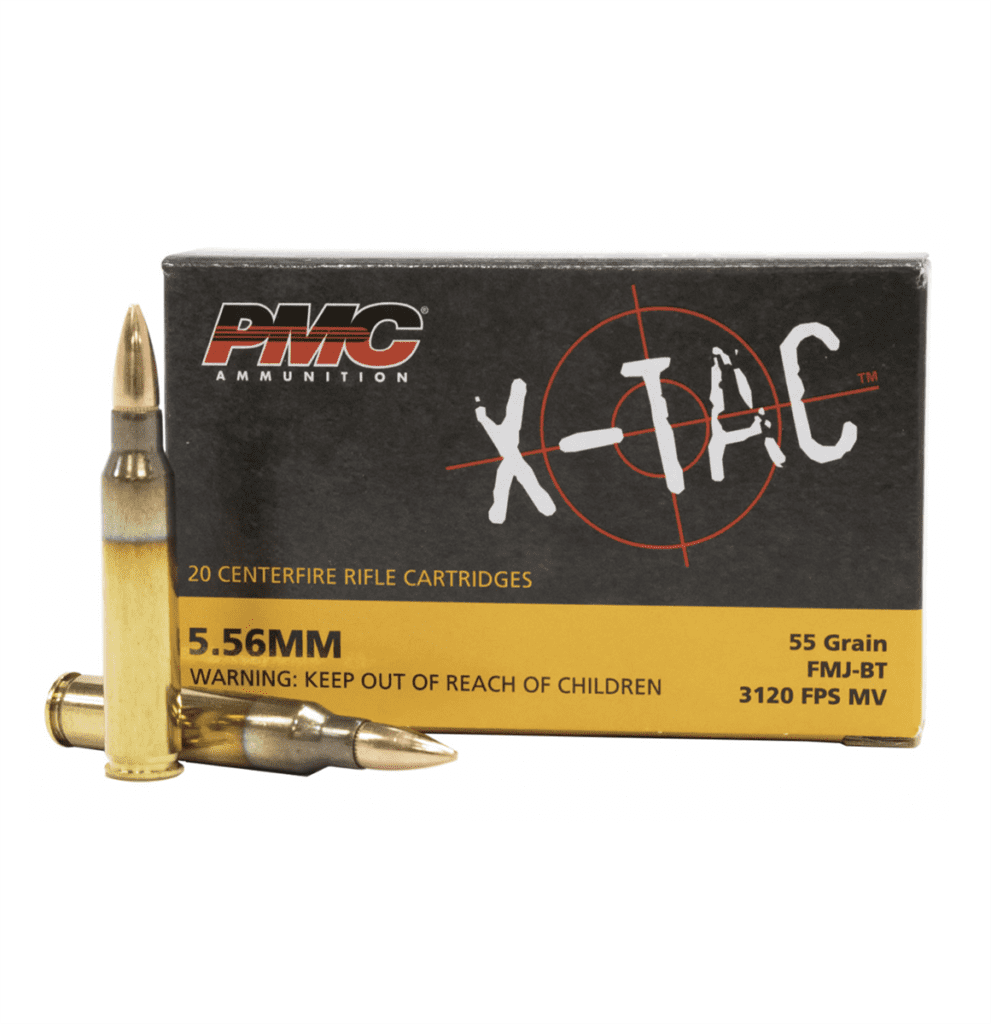
Original price was: $44.99.$29.99Current price is: $29.99.
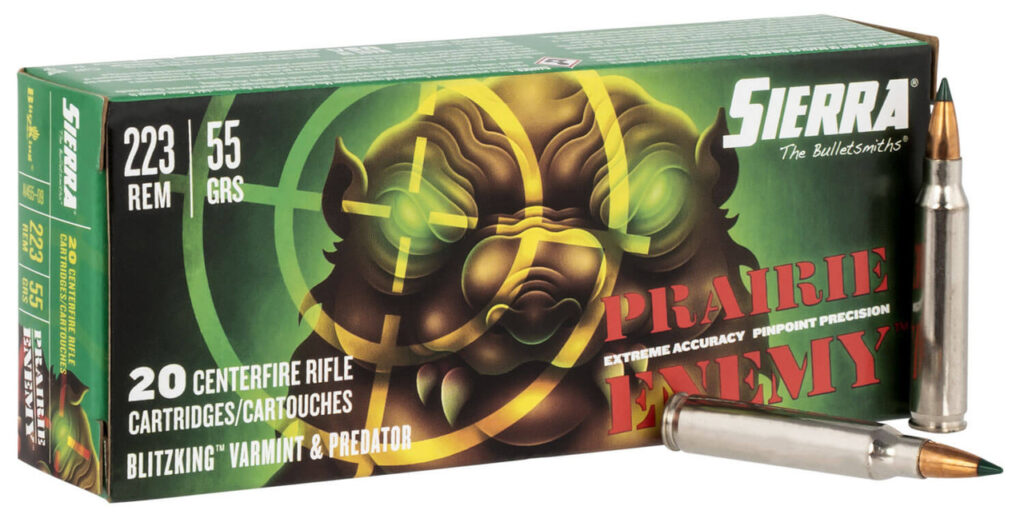
Original price was: $84.99.$77.99Current price is: $77.99.
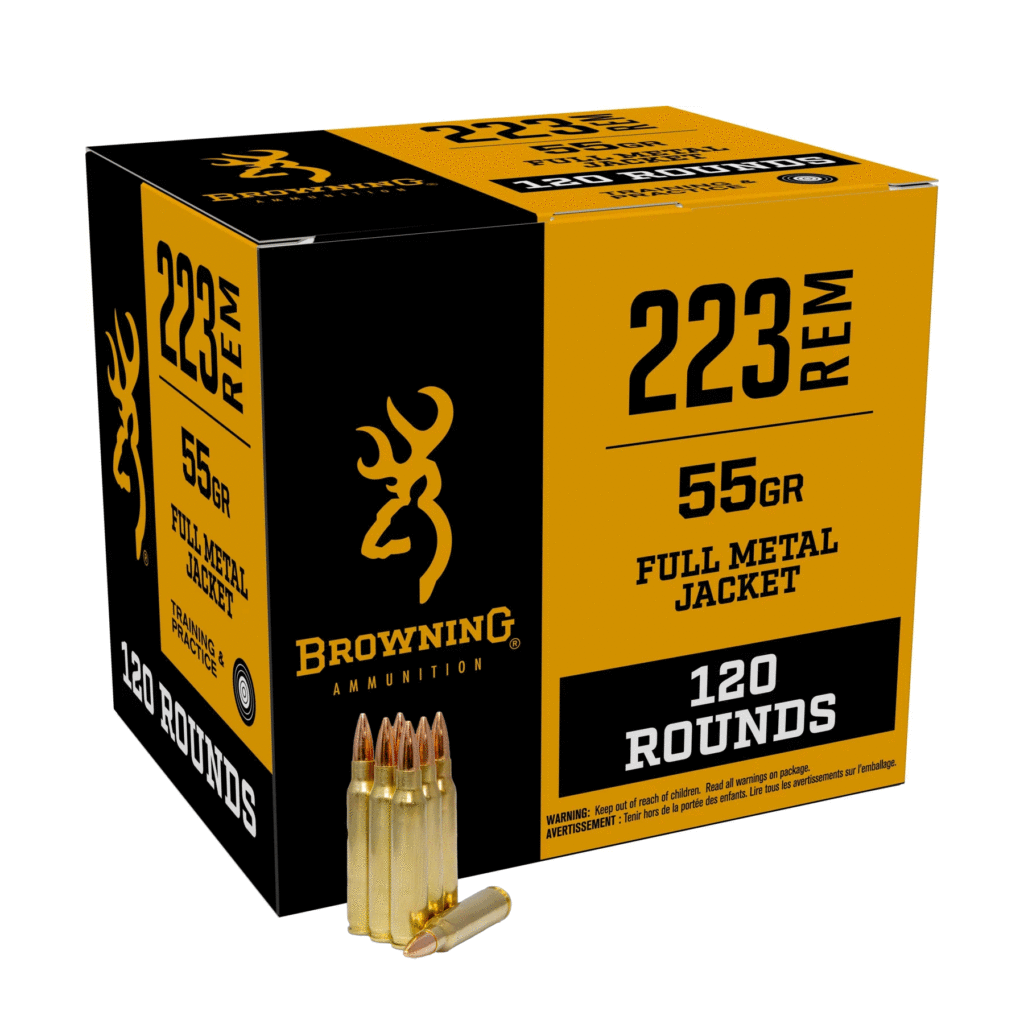
$104.99
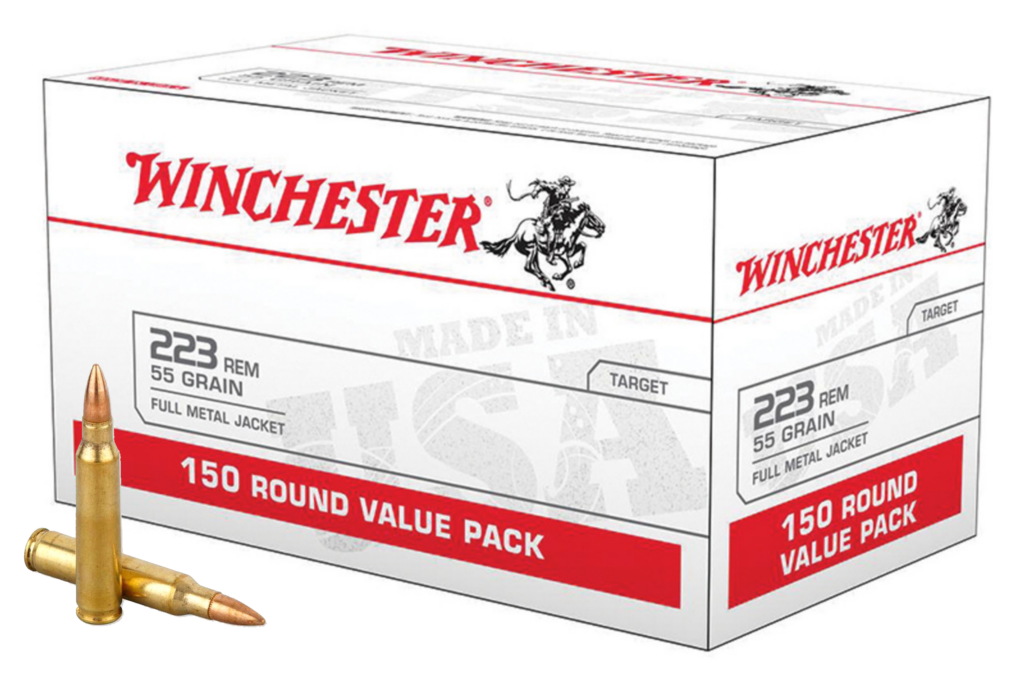
Original price was: $559.99.$455.99Current price is: $455.99.


Original price was: $599.00.$449.99Current price is: $449.99.
Original price was: $12.99.$9.99Current price is: $9.99.